THE Rohe EDIT
8 reasons a silk pillowcase belongs in a GLP-1 self-care routine

This article is for general wellness information only. A silk pillowcase has no effect on medication outcomes, side effects, weight loss, or any health condition. Always follow your clinician's guidance.
GLP-1 medications have changed the conversation around weight management and metabolic health. Alongside that shift, many people are rethinking the small, consistent habits that support how they feel day to day — sleep environment included. A silk pillowcase won't change what your medication does, but it can make the hours you spend in bed a little more considered. Here are eight reasons it earns a place in a GLP-1 self-care routine.
1. Comfort during a period of change
Adjusting to a new medication often means adjusting to a new normal — appetite shifts, energy fluctuations, and a body that feels different from week to week. Creating a sleep environment that feels genuinely comfortable is one small way to meet yourself where you are. Silk's naturally smooth surface is soft against skin, making it a low-friction choice for nights when rest matters most.
2. A low-effort nightly ritual
Self-care doesn't have to be elaborate. Swapping your pillowcase is a one-time change that works passively every night. There's no routine to remember, no product to apply, no extra step before bed. For anyone managing a demanding health journey, that kind of effortless consistency has real appeal.
3. Temperature-neutral feel
Silk is a naturally breathable fibre that tends to feel neither hot nor cold against the skin — it adapts to ambient temperature rather than trapping or radiating heat. For sleepers who run warm or who notice changes in how they regulate temperature, a surface that doesn't add to that equation is worth considering.
4. Gentle surface contact
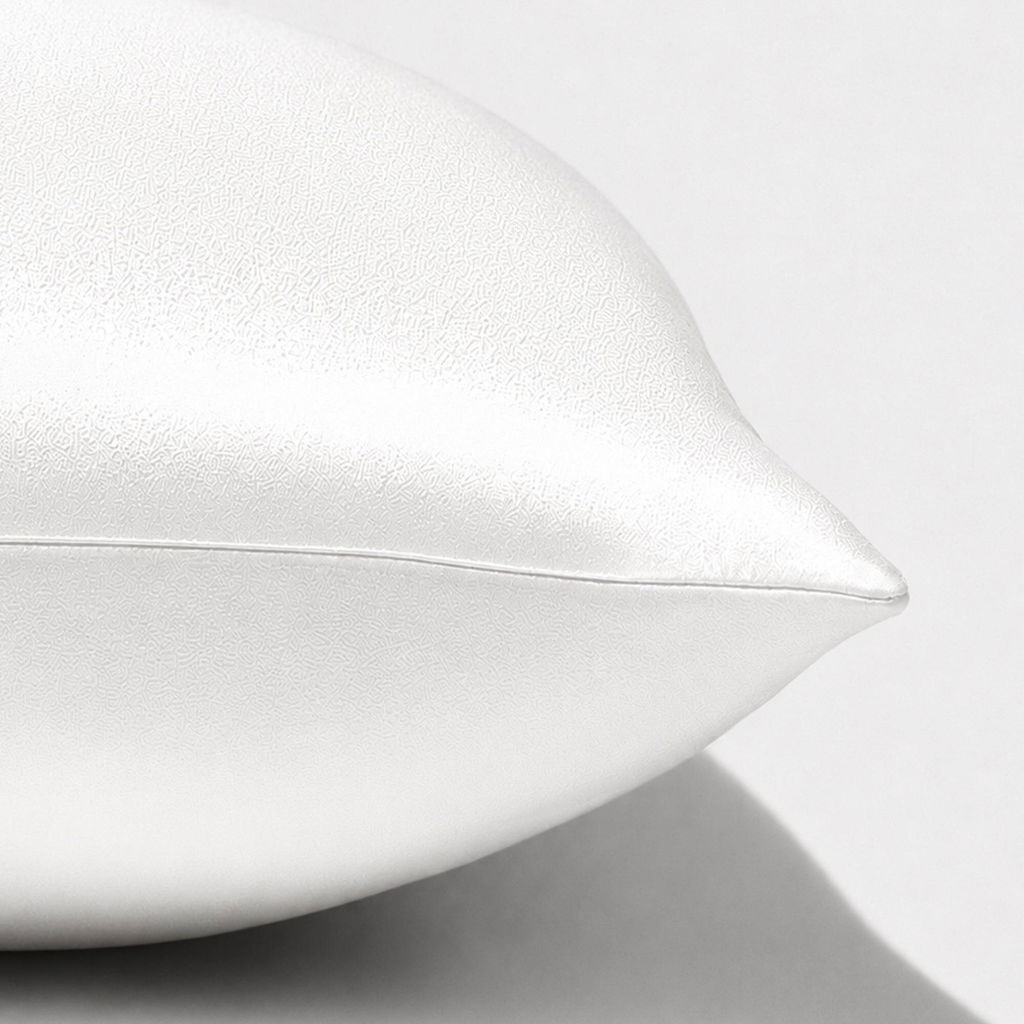
Silk's tightly woven, smooth structure creates less mechanical friction than cotton or synthetic fabrics. That means less tugging on skin and hair as you move during sleep — a small but meaningful detail if your skin feels more sensitive than usual, or if you're simply more attentive to how everyday materials feel against your body.
5. Adapting hair and skincare routines
Many people on GLP-1 medications report changes in hair texture or skin condition as their body adjusts. While a pillowcase can't address those changes directly, a low-friction surface is a sensible complement to any hair or skincare routine you're already maintaining. Less overnight friction means less disruption to the work your products are doing.
6. Hygiene rotation
A consistent pillowcase rotation is good sleep hygiene regardless of what else is going on in your life. Silk is naturally resistant to dust mites and is easy to hand-wash or machine-wash on a gentle cycle. Keeping a clean sleep surface is a simple, evidence-consistent habit that fits neatly into a broader wellness mindset.
7. Rest as an intentional act of self-care
Sleep is increasingly recognised as a foundational pillar of health — not a passive afterthought. Treating your sleep environment as something worth investing in is a meaningful shift in perspective. A silk pillowcase is a tangible, daily reminder that rest is part of the plan, not separate from it.