THE Rohe EDIT
8 reasons hair-loss-conscious women in their 40s are rethinking their pillowcase

Hair loss in your 40s is rarely one thing. Hormonal shifts, stress, nutritional changes, and genetics all play a role — and no pillowcase will reverse any of them. What a pillowcase can do is remove a small but consistent source of mechanical stress from your nightly routine. If you are already paying close attention to your hair, here are eight reasons the surface you sleep on is worth reconsidering.
Important: silk does not prevent or treat hair loss. If you are experiencing persistent or significant shedding, please consult a dermatologist or trichologist.
1. Reduce unnecessary friction
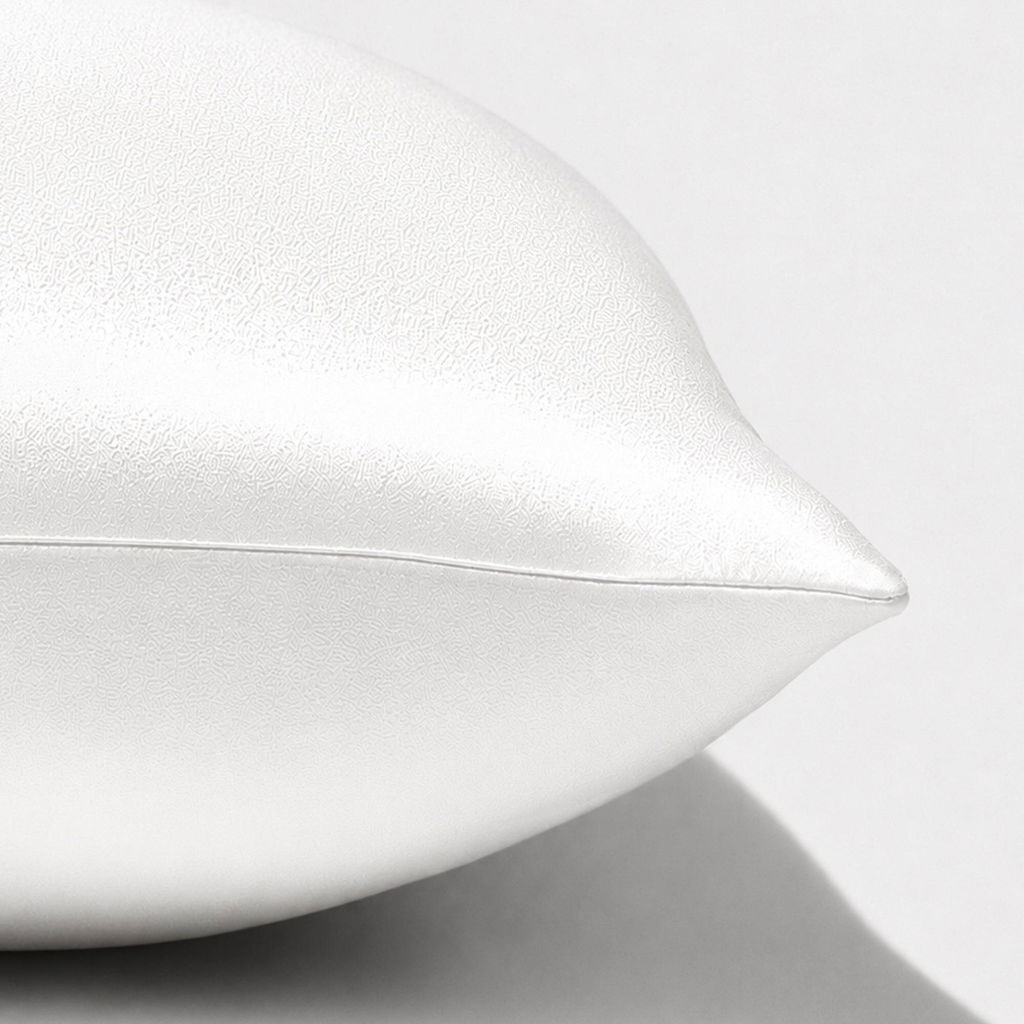
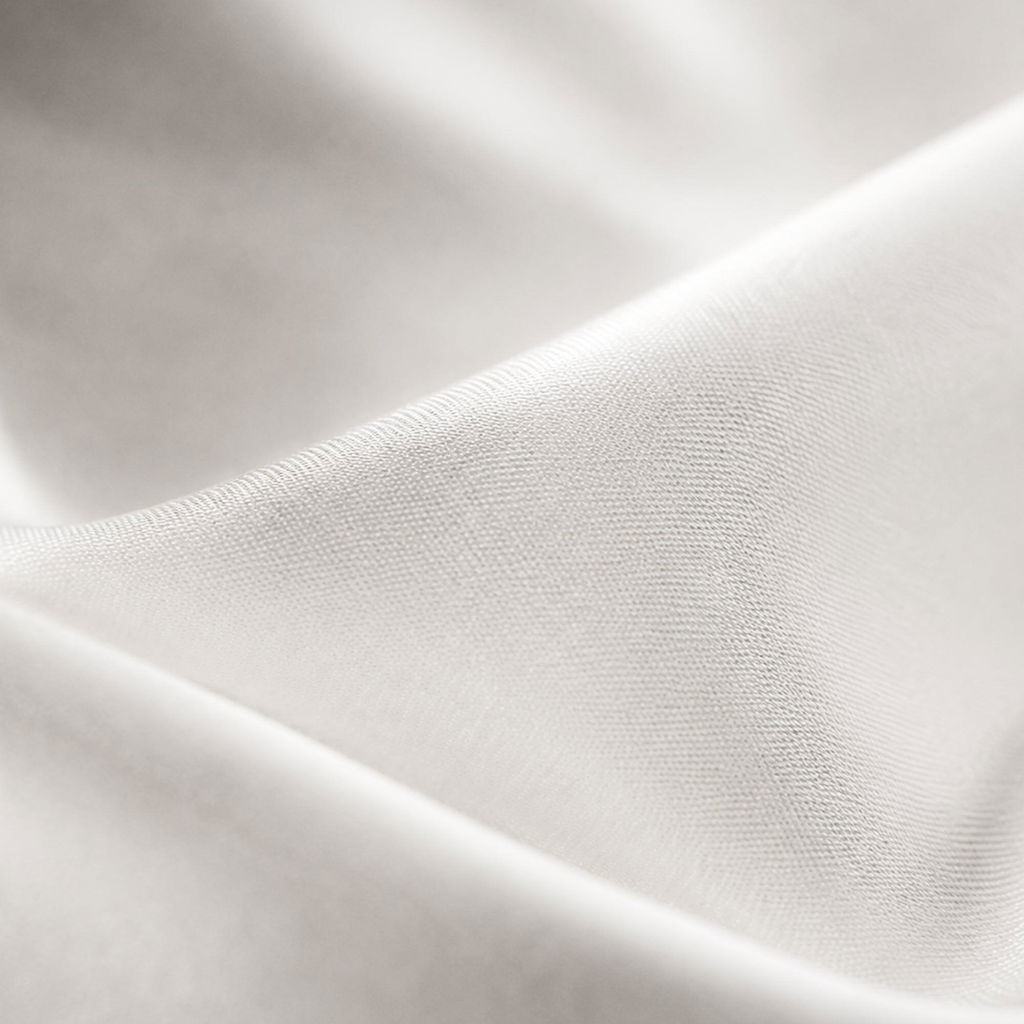
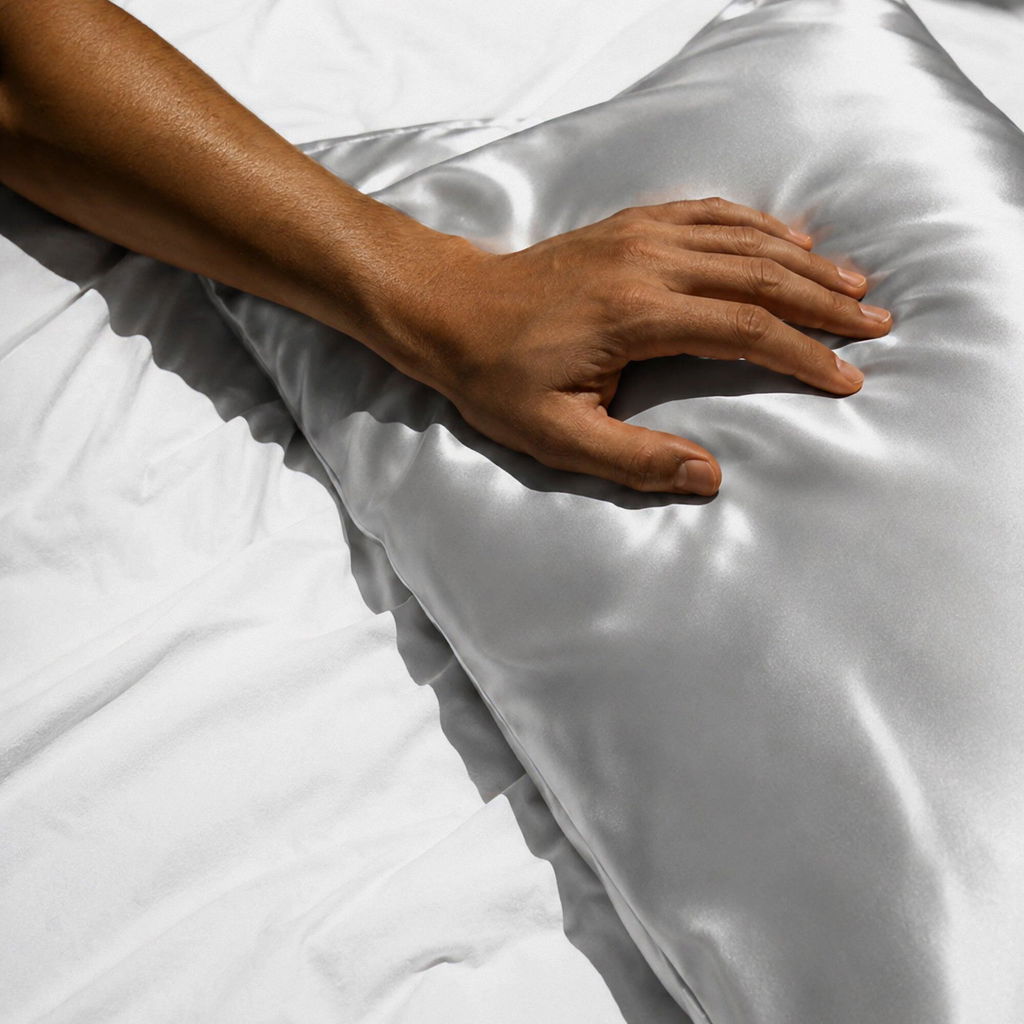
Cotton weaves create microscopic surface drag. Every time you shift position during sleep, strands are pulled, bent, and compressed against that resistance. Over thousands of repetitions a night, the cumulative mechanical load on already-fragile hair is real. A tightly woven silk surface offers considerably less friction, meaning hair moves with you rather than against the fabric.

2. Avoid snag-prone fabric
Looser weaves and textured fabrics can catch individual strands — particularly fine or chemically treated hair that is more prone to breakage. Silk's smooth, continuous surface has fewer structural irregularities to trap hair. The result is fewer tangles to work through in the morning, and less breakage from detangling.
3. Protect styled hair
Blowouts, braids, protective styles, and heat-set waves represent real time and effort. Rough pillowcase surfaces disturb and compress those styles overnight. Sleeping on a low-friction surface helps preserve the shape and integrity of styled hair, reducing the need for daily re-styling — and the heat or manipulation that comes with it.
4. Hairline comfort
The hairline is one of the most delicate areas of the scalp. Baby hairs and edges are shorter, finer, and more vulnerable to mechanical stress. A softer, smoother surface reduces the repeated tugging and compression that a rougher fabric applies to this area throughout the night.
5. Support gentle protective routines
Many women in their 40s are already adopting gentler hair-care habits — wide-tooth combs, lower heat settings, less frequent washing. Switching to a low-friction sleep surface is a natural extension of that philosophy. It is a passive, zero-effort step that works while you sleep, consistent with a broader approach of reducing unnecessary mechanical stress.
6. Wash-day maintenance
For those who space out wash days to preserve moisture or reduce manipulation, what happens overnight matters. A fabric that absorbs less moisture and creates less friction helps maintain the condition of hair between washes — keeping it smoother, less tangled, and easier to manage when wash day does arrive.
7. Clean rotation
Pillowcases accumulate product residue, sebum, and environmental particles. Rotating clean pillowcases regularly — regardless of material — keeps the surface your hair and skin rest against as neutral as possible. A clean silk pillowcase combines low friction with a fresh surface, which is a straightforward habit worth building into your routine.

8. A controllable environment
Many factors contributing to hair changes in your 40s are not within your control. Your sleep surface is. It is a small, concrete variable you can adjust without a prescription, a waiting list, or a significant lifestyle change. For women who feel overwhelmed by the complexity of hair health, starting with something simple and controllable can be a meaningful first step.
The takeaway
A silk pillowcase is not a treatment. It will not stop hormonal shedding, reverse thinning, or replace professional care. What it can do is reduce one consistent source of mechanical stress on hair that is already under pressure from other directions. If you are being thoughtful about your hair health, it is a low-effort, evidence-aware addition to a broader routine — nothing more, nothing less.
Experiencing persistent hair shedding or noticeable thinning? Please seek advice from a qualified dermatologist or trichologist. A pillowcase is not a substitute for professional diagnosis or treatment.