THE Rohe EDIT
6 Pillowcase Mistakes That May Be Working Against Your Routine

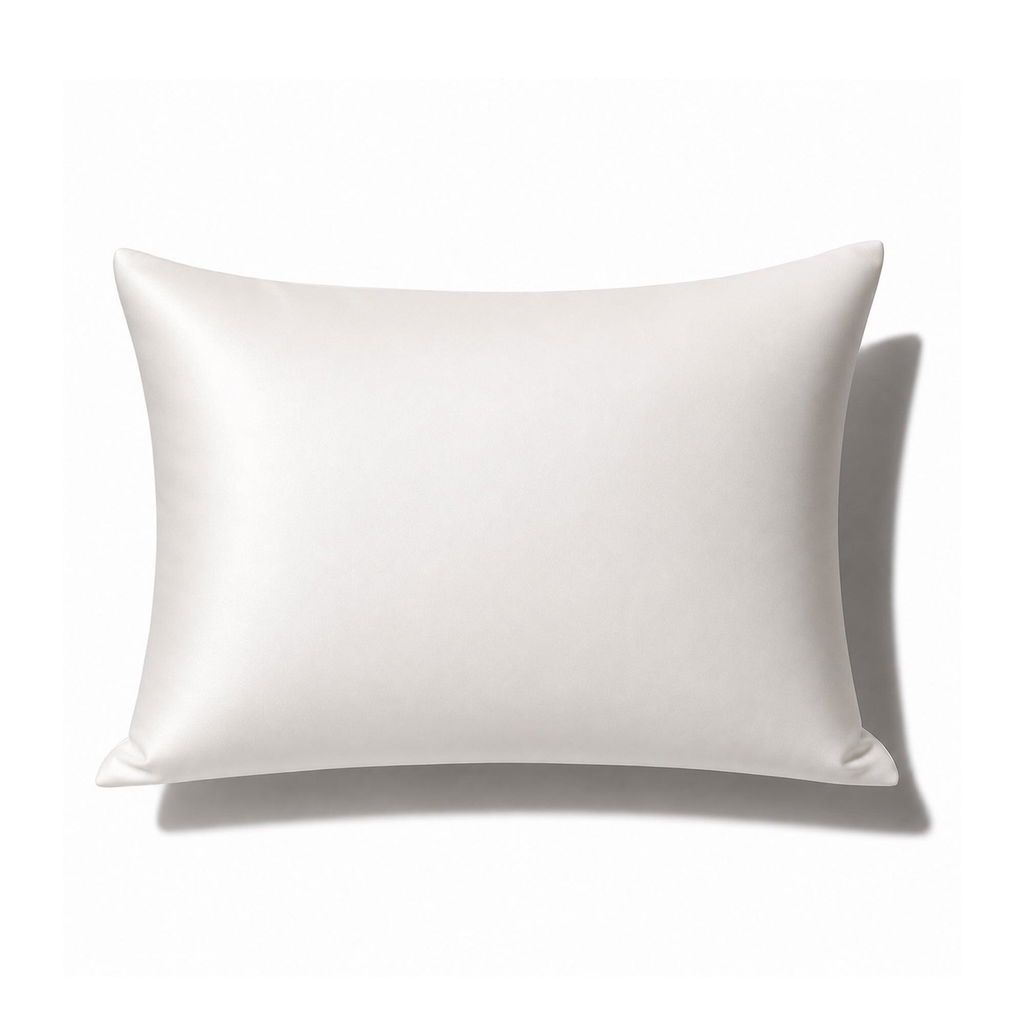
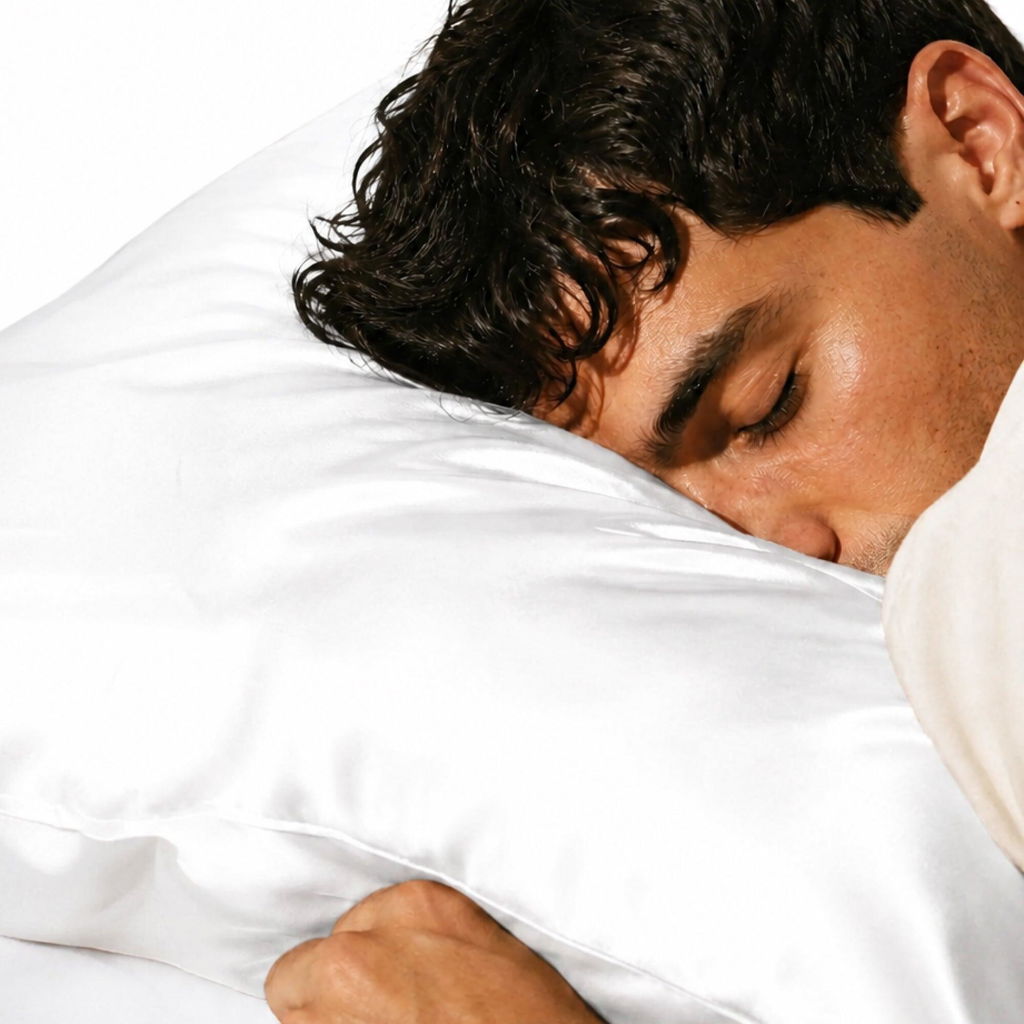
Your pillowcase is one of the most consistent points of contact your skin and hair have each night — roughly six to eight hours of direct, repeated exposure. Yet it's often the last thing people think to optimise. The good news: the adjustments are small. Here are six common mistakes worth reconsidering.
1. Not Washing It Often Enough
Pillowcases accumulate oils, sweat, dead skin cells, and residue from hair and skincare products over time. Dermatologists commonly recommend washing pillowcases every one to two weeks at minimum, though those with oily or acne-prone skin may benefit from more frequent changes. A clean surface simply gives your skin less to contend with overnight.
2. Using Harsh Detergents or Fabric Softeners
Strong detergents, brightening agents, and synthetic fabric softeners can leave residue on fabric fibres. For those with sensitive skin, this residue may cause irritation or disrupt the skin barrier over time. A gentle, fragrance-free detergent — and skipping the softener entirely for natural-fibre pillowcases — is generally the more considered choice.
3. Sleeping With Wet Hair
Wet hair is more fragile than dry hair, and the friction of tossing and turning on a pillowcase can contribute to breakage and frizz. Beyond the hair itself, damp fabric creates a warmer, more humid microenvironment — conditions that are less than ideal for either your skin or the longevity of the pillowcase. Allowing hair to dry before bed, or loosely braiding it, is a simple habit worth building.
4. Using a Pillowcase That Doesn't Fit or Stay in Place
A pillowcase that bunches, slips, or gaps at the opening creates uneven surface contact and unnecessary friction. Fit matters: a well-constructed closure — whether an envelope fold or a concealed zip — keeps the fabric smooth and in position throughout the night. It's a detail that's easy to overlook and equally easy to fix.
5. Confusing Satin With Silk
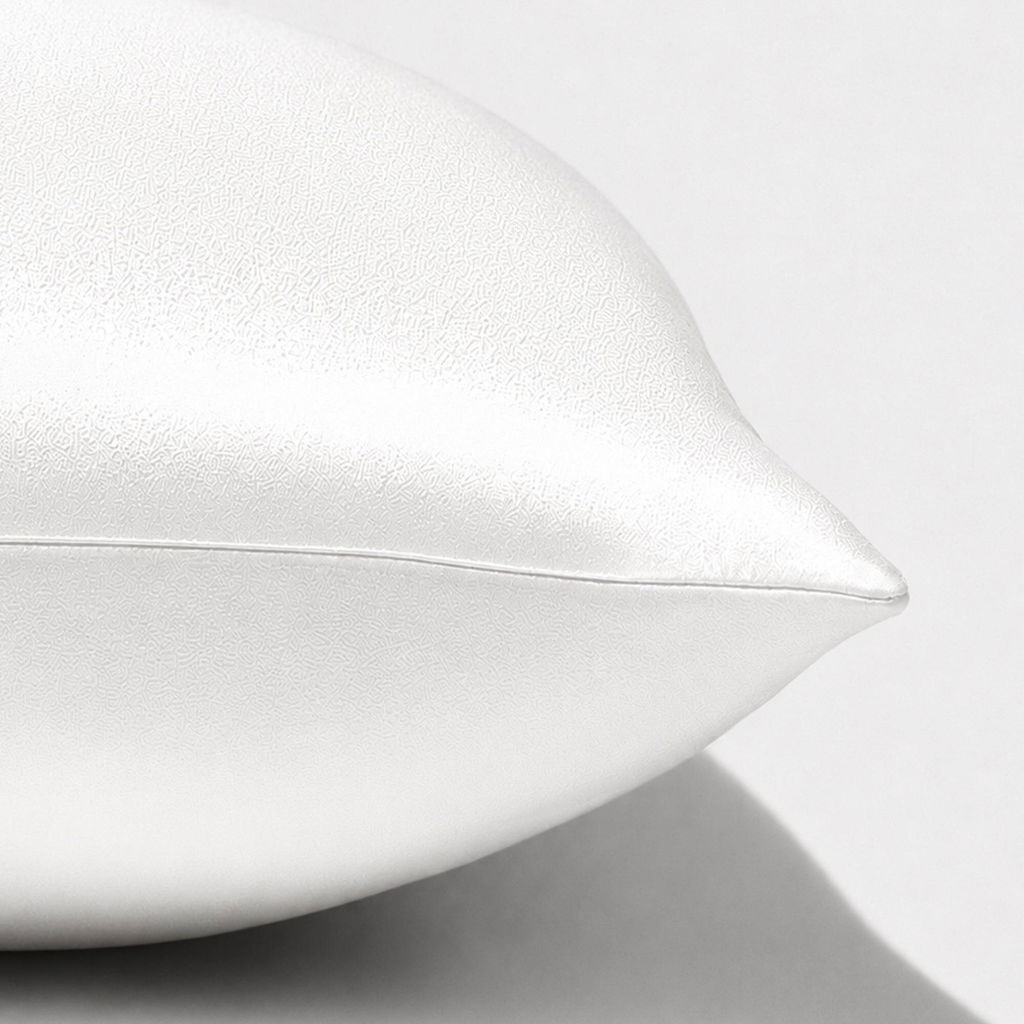
Satin is a weave structure, not a fibre. A satin-weave pillowcase can be made from polyester, which has different breathability and moisture-management properties than silk. Silk is a natural protein fibre with a characteristically smooth surface and a degree of temperature regulation that synthetic alternatives don't replicate in the same way. If the material matters to you, it's worth checking the fibre content, not just the finish.
6. Expecting Your Pillowcase to Replace Skincare or Haircare
A quality pillowcase can support your existing routine — reducing unnecessary friction, helping retain moisture, and keeping a cleaner surface against your skin. What it won't do is substitute for consistent skincare, hydration, or haircare. Think of it as one considered variable in a broader routine, not a shortcut around the others.
The Takeaway
None of these adjustments require a significant overhaul. Wash more frequently, choose your detergent carefully, let your hair dry before bed, ensure a proper fit, understand what you're buying, and keep expectations grounded. Small, consistent choices tend to compound — and your pillowcase is a reasonable place to start.