THE Rohe EDIT
7 questions to ask before buying your first silk pillowcase

The silk pillowcase market is full of beautiful packaging and persuasive language. Words like luxurious, natural, and smooth appear on almost every listing — but they tell you very little about what's actually inside the case. Before you spend your money, it pays to slow down and ask the right questions.
This guide walks you through seven things every informed buyer should verify before committing to a silk pillowcase purchase.
1. Is it actually silk — or a silk-like alternative?
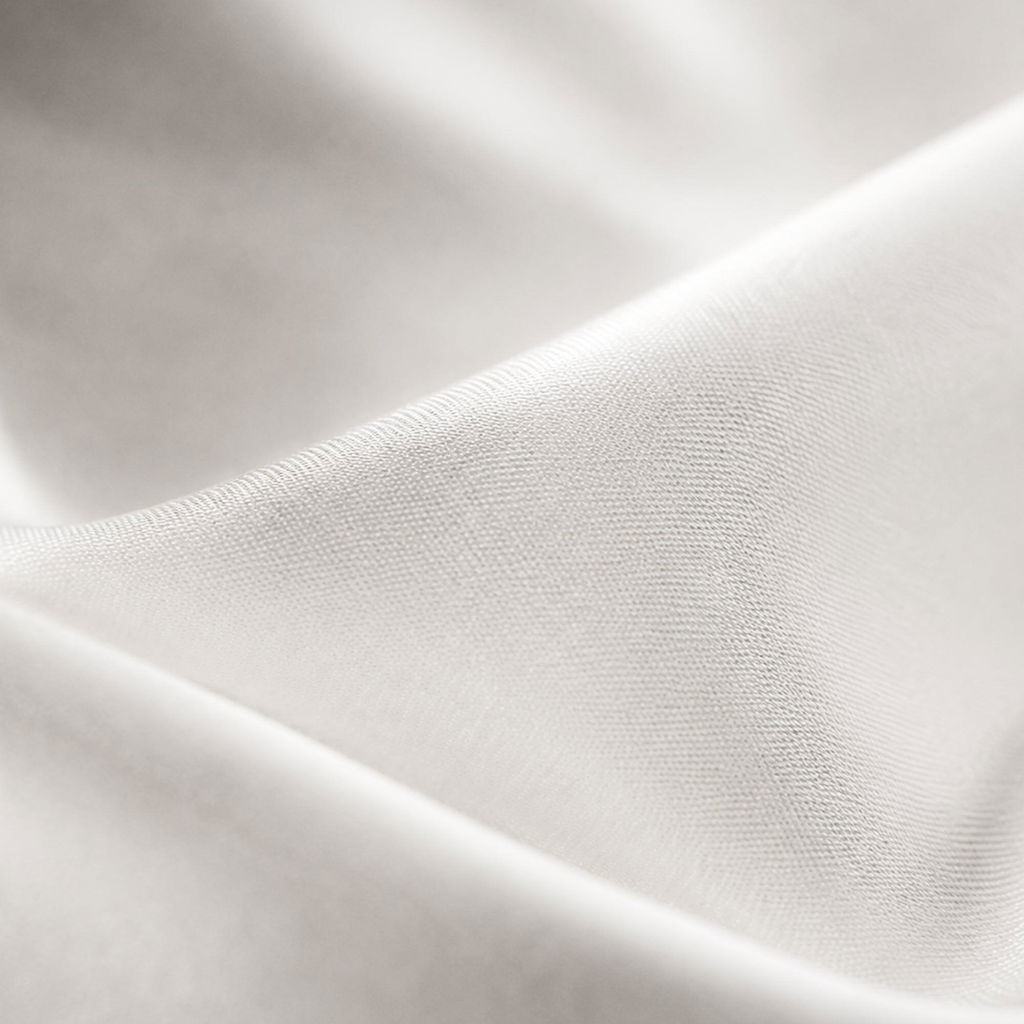
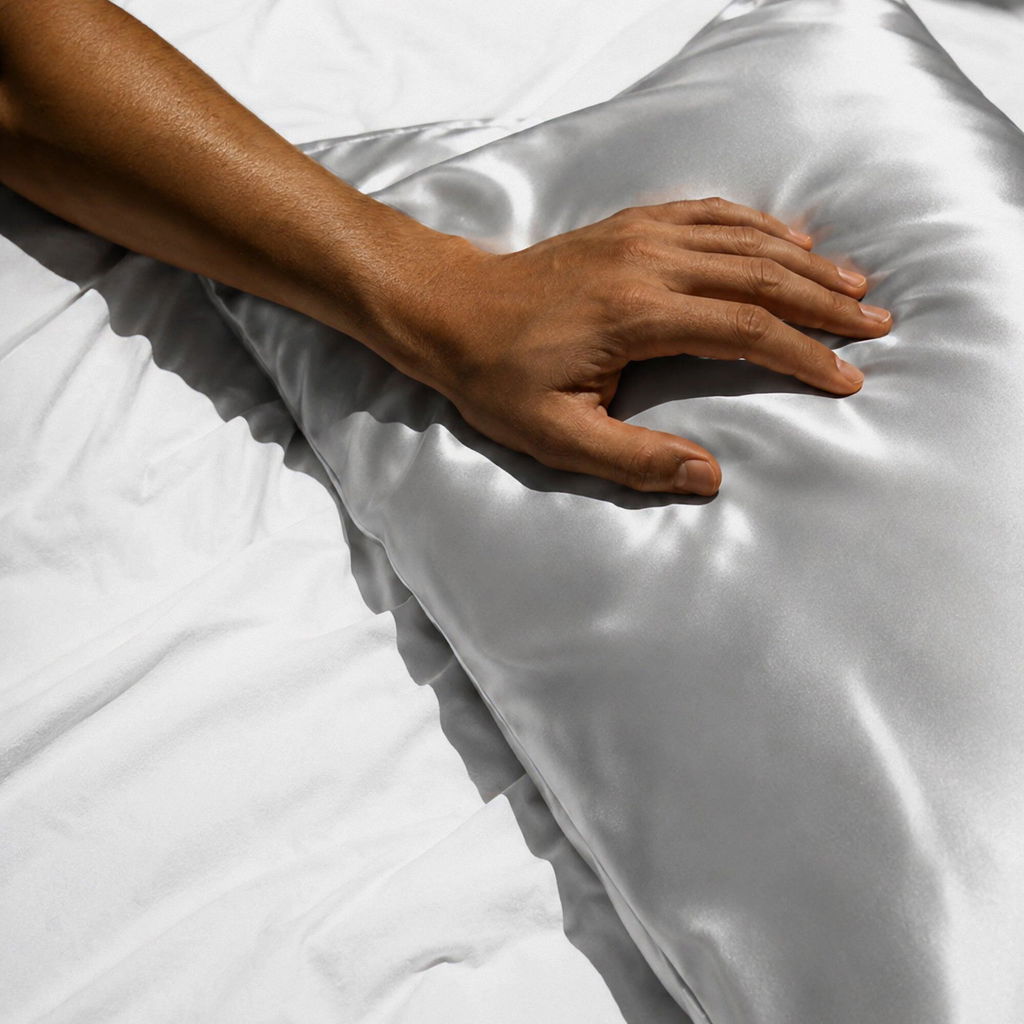
This is the most important question, and the answer is not always obvious. Genuine silk is a natural protein fibre produced by silkworms. Satin, charmeuse, and many "silk-feel" fabrics are often made from polyester — a synthetic that mimics the sheen of silk but lacks its breathability and natural fibre structure.
Look for explicit labelling that states 100% silk or pure silk. If the product description uses terms like "satin", "silk-like", or "silky smooth" without specifying the fibre content, treat that as a red flag. Reputable brands will always disclose the material composition clearly.
2. What type of silk is it?
Not all silk is the same. The most common types used in bedding are:
- Mulberry silk — the gold standard for pillowcases. Produced by Bombyx mori silkworms fed exclusively on mulberry leaves, it yields long, uniform filaments that result in a smooth, consistent fabric.
- Tussah silk — a wild silk with a coarser texture and natural golden colour. Less uniform than mulberry silk and generally considered lower grade for bedding applications.
- Charmeuse — a weave style, not a fibre type. Charmeuse can be woven from genuine silk or from polyester. Always check the fibre content, not just the weave name.
For a pillowcase intended for nightly use, mulberry silk is the benchmark worth looking for.
3. What is the momme weight?
Momme (mm) is the unit used to measure silk fabric weight, roughly equivalent to thread count in cotton. It indicates how much silk fibre is present per unit of fabric — a higher momme generally means a denser, more durable weave.
- Below 16mm — lightweight, often used in scarves. May feel delicate but wears quickly with regular washing.
- 19–22mm — the sweet spot for pillowcases. Substantial enough for durability, smooth enough for comfort.