THE Rohe EDIT
8 reasons breakout-conscious skincare routines should include the pillowcase

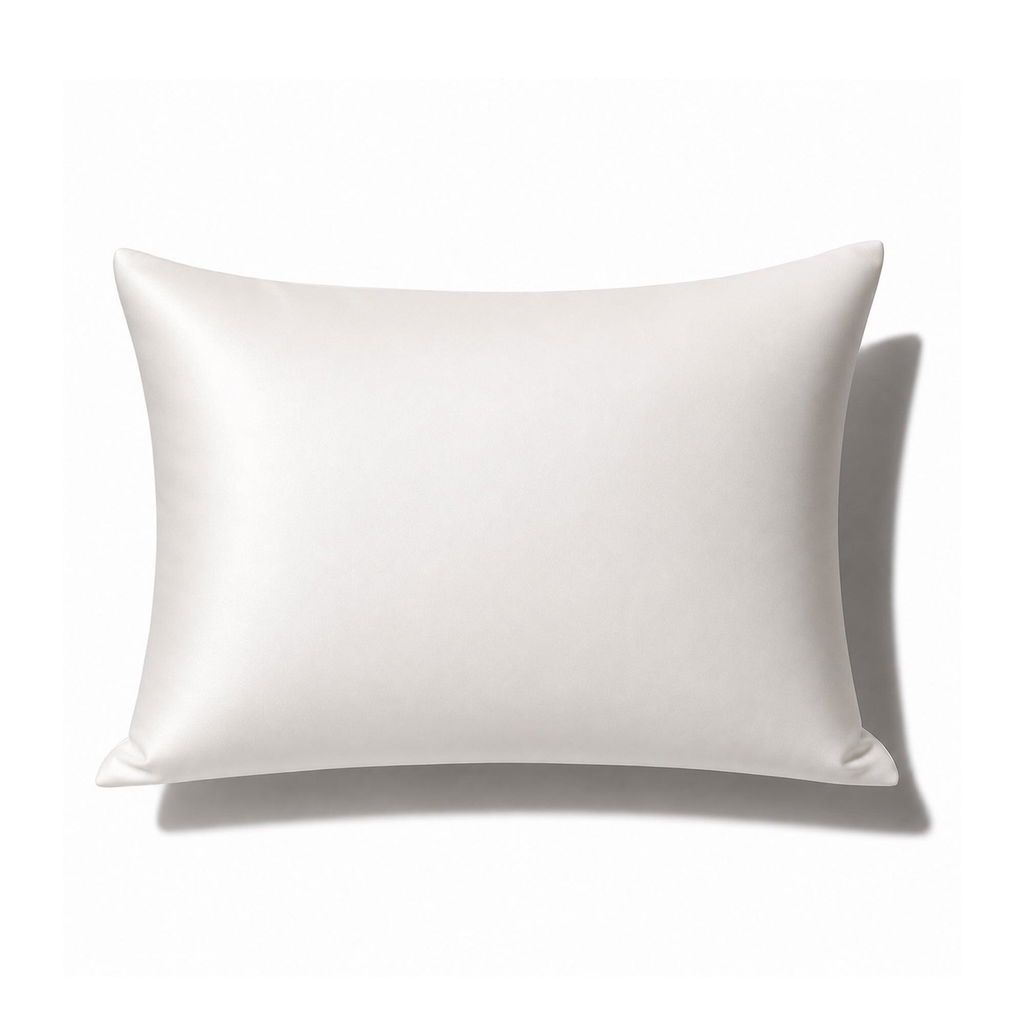
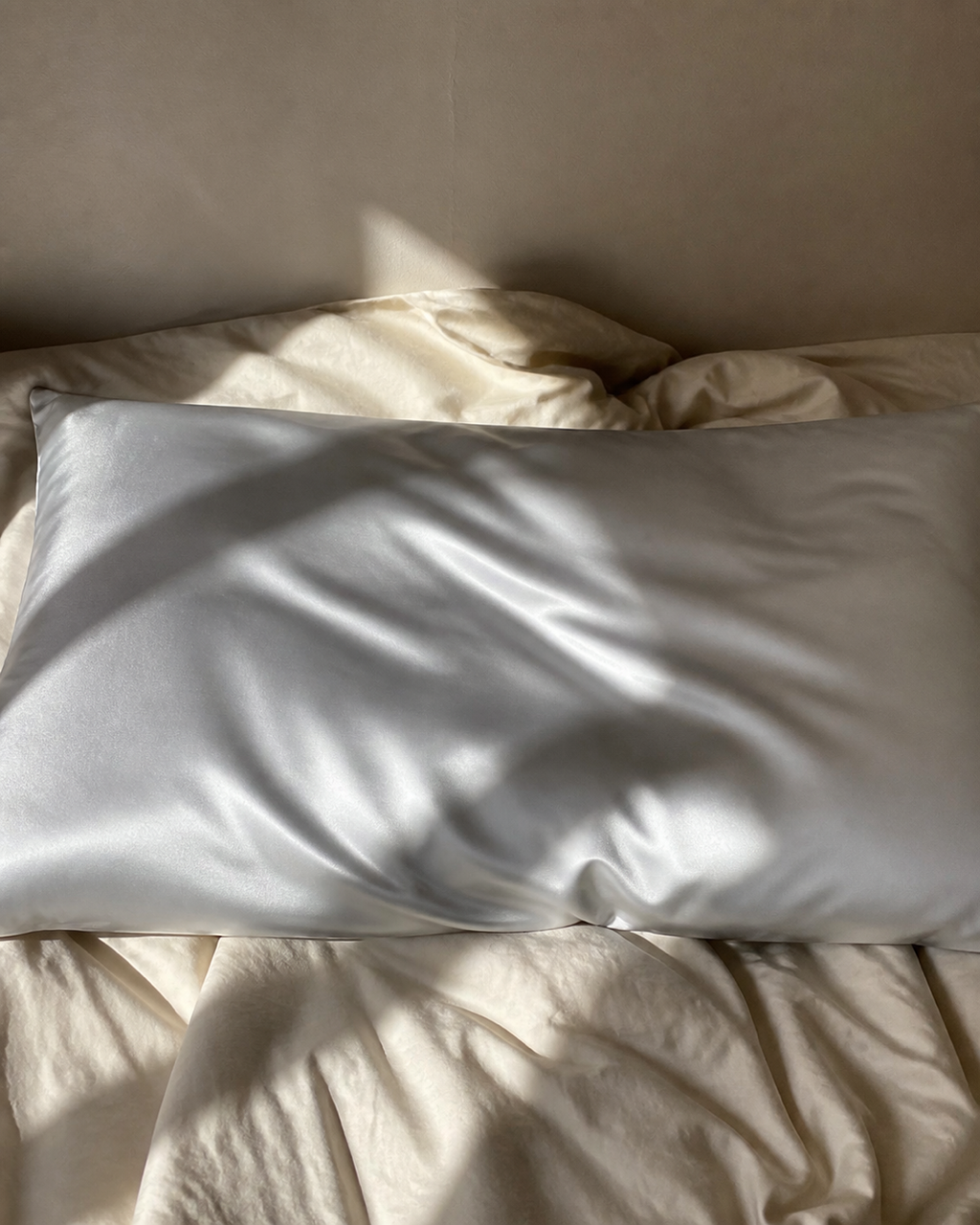
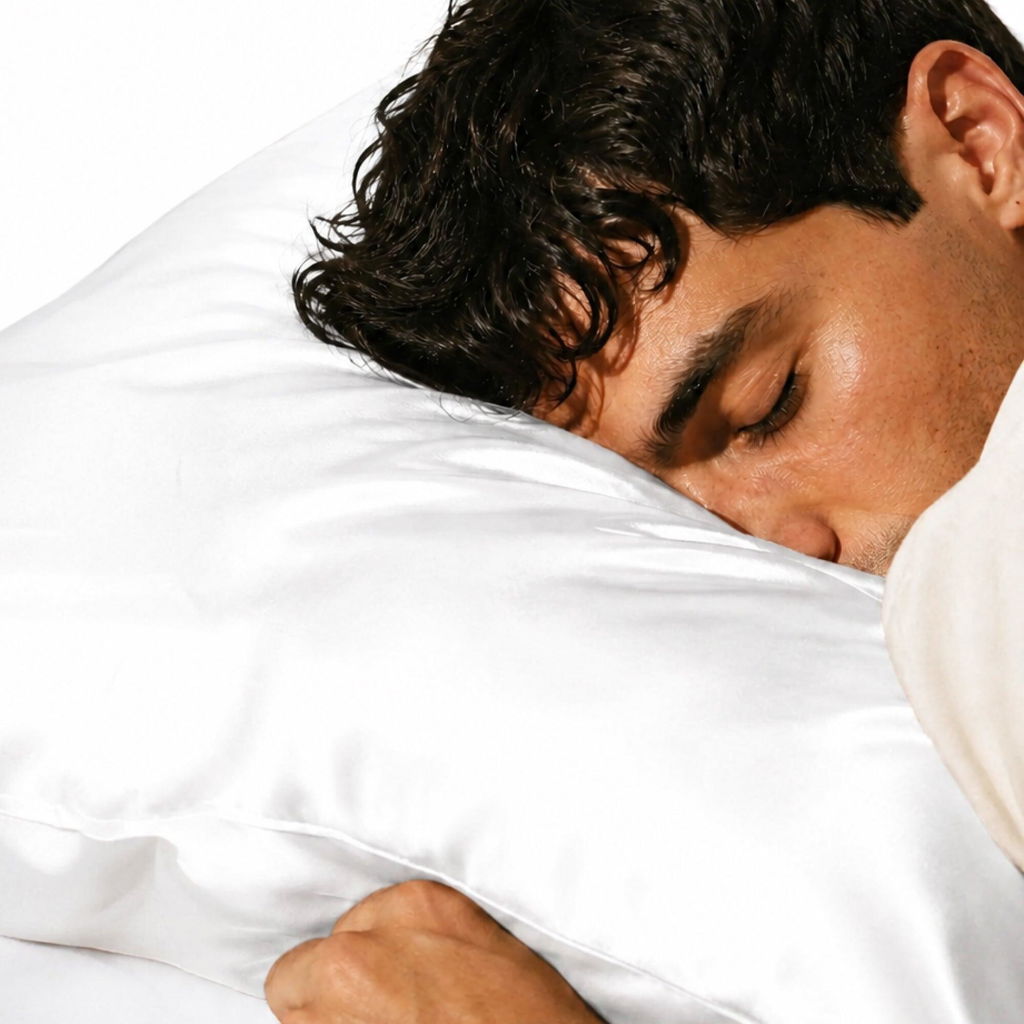
Your skincare routine might be meticulous — double cleanse, targeted serums, a carefully chosen moisturiser. But there is one surface that touches your face for six to eight hours every night that rarely makes the list: your pillowcase. This is not a claim that swapping your pillowcase will clear your skin. Acne is a complex condition influenced by hormones, genetics, diet, stress, and more, and no pillowcase treats it. What a pillowcase can do is reduce one category of avoidable environmental contact. Here are eight reasons it is worth thinking about.
1. Laundering frequency matters more than fabric alone
Dermatologists commonly suggest washing pillowcases every one to two weeks, and some recommend more frequently for breakout-prone skin. Whatever fabric you choose, a pillowcase that is not washed regularly accumulates everything your skin sheds overnight. The most important variable is how often it goes in the wash — fabric choice is secondary to that habit.
2. Oils and skincare products accumulate on the surface
Overnight, your skin produces sebum and sheds dead cells. Any leave-on skincare you applied — moisturiser, facial oil, retinol — transfers to the pillowcase and builds up with each use. That residue then comes back into contact with your skin the following night. Frequent laundering interrupts this cycle; a rotation of cases makes it easier to maintain.
3. Cotton absorbs; some fabrics absorb less
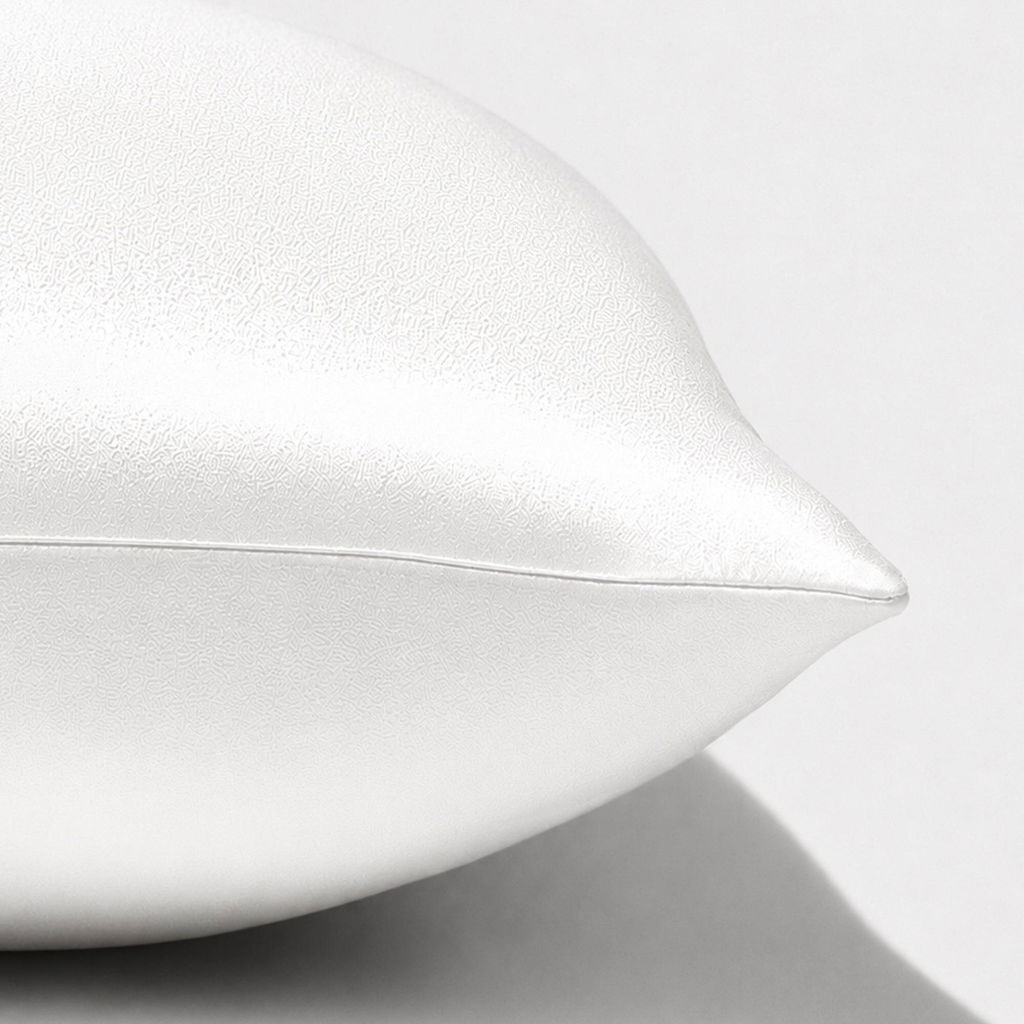
Standard cotton is highly absorbent by design — a quality that makes it excellent for towels and less ideal for a surface resting against skin you have just moisturised. Tightly woven fabrics with lower absorbency, such as certain silks or silk-like weaves, tend to draw less moisture away from the skin's surface overnight. This does not mean cotton is harmful; it means the material's properties are worth considering alongside your skincare goals.
4. Friction is a real, if often overlooked, factor
Repeated mechanical friction against the skin — from tossing and turning across a rougher weave — can contribute to irritation, particularly for sensitive or reactive skin types. Smoother fabrics reduce that friction. This is not a dramatic effect, but over hundreds of nights it is a cumulative one.
5. Hair products migrate to your face while you sleep
Styling products, leave-in conditioners, and hair oils transfer from your hair to your pillowcase and then to your face. If you use products on your hair before bed, a clean pillowcase — or a silk bonnet or scarf — creates a barrier between those ingredients and your skin. This is a simple, practical step that is easy to overlook.
6. A two-case rotation makes clean habits sustainable
Knowing you should wash your pillowcase twice a week is one thing; actually doing it when laundry is already a chore is another. Keeping two pillowcases in rotation — switching to the fresh one mid-week and washing both together — makes the habit realistic without requiring daily laundry. Small systems tend to outlast good intentions.
7. The pillowcase does not replace your skincare routine
Clean hands before touching your face, a consistent cleansing routine, and appropriate skincare for your skin type remain the foundation. A clean pillowcase is an environmental variable, not a substitute for any of those steps. Think of it as reducing one source of unnecessary contact rather than as a standalone solution.