THE Rohe EDIT
8 reasons perimenopausal hot sleepers are switching to silk

Night after night, the same story: you wake up warm, restless, and searching for the cool side of the pillow. For women navigating perimenopause, disrupted sleep is one of the most common — and most frustrating — experiences of this life stage. While silk cannot treat hot flashes or address the hormonal changes that cause them, many perimenopausal women are quietly making one practical swap: their bedding. Here are eight reasons why.
1. Temperature-neutral feel
Silk is a naturally temperature-neutral fibre. Unlike materials that trap warmth close to the body, silk tends to sit closer to ambient room temperature, which many sleepers find more comfortable when they are already running warm. It does not actively cool you — but it does not add unnecessary heat either.
2. Breathability
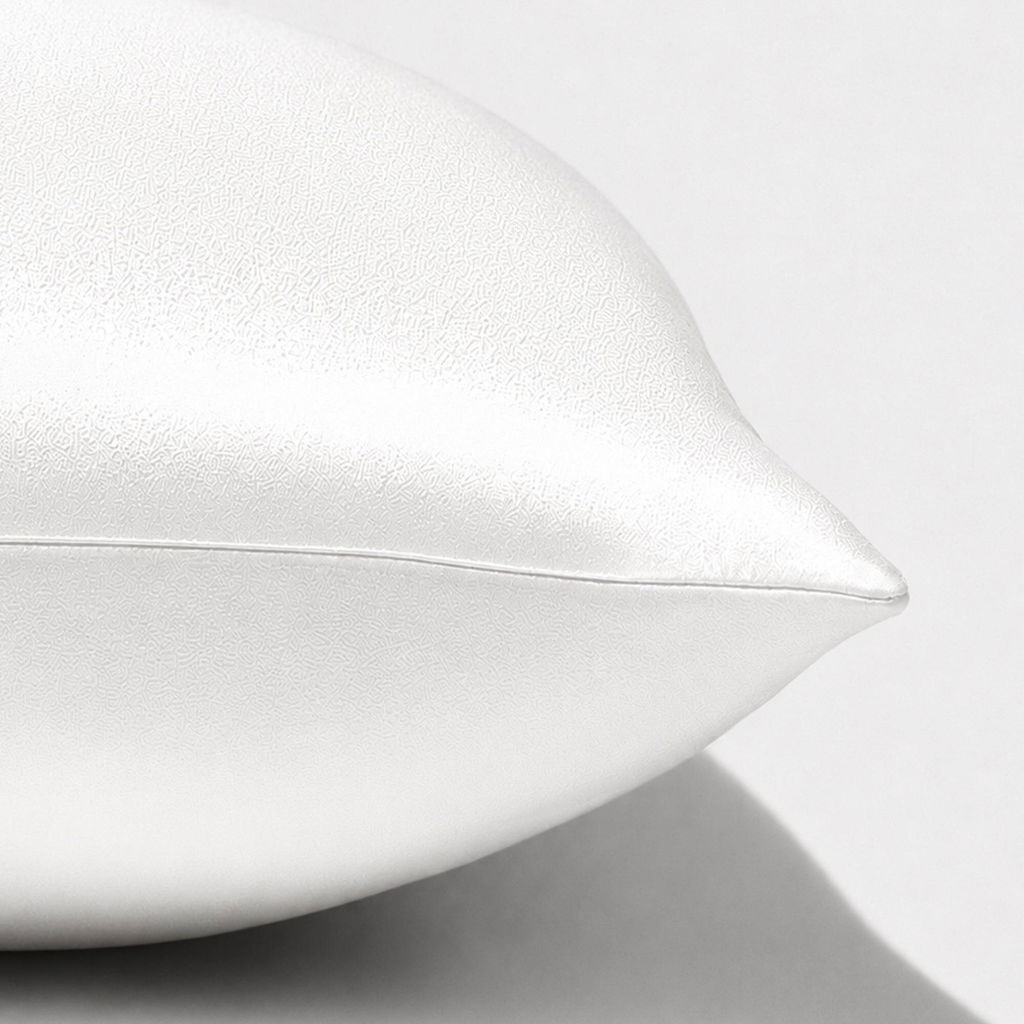
The tightly woven yet fine structure of high-grade silk allows air to circulate more freely than many heavier weaves. This breathability means that heat and moisture are less likely to build up between you and your pillow through the night, supporting a more stable microclimate at the skin surface.
3. Moisture comfort
Silk has a degree of natural moisture-wicking capacity. Rather than holding dampness against the skin, it helps draw it away — a meaningful quality for anyone who wakes up feeling clammy or damp. The result is a surface that tends to feel drier and more comfortable across longer sleep periods.
4. Cooler-touch surface
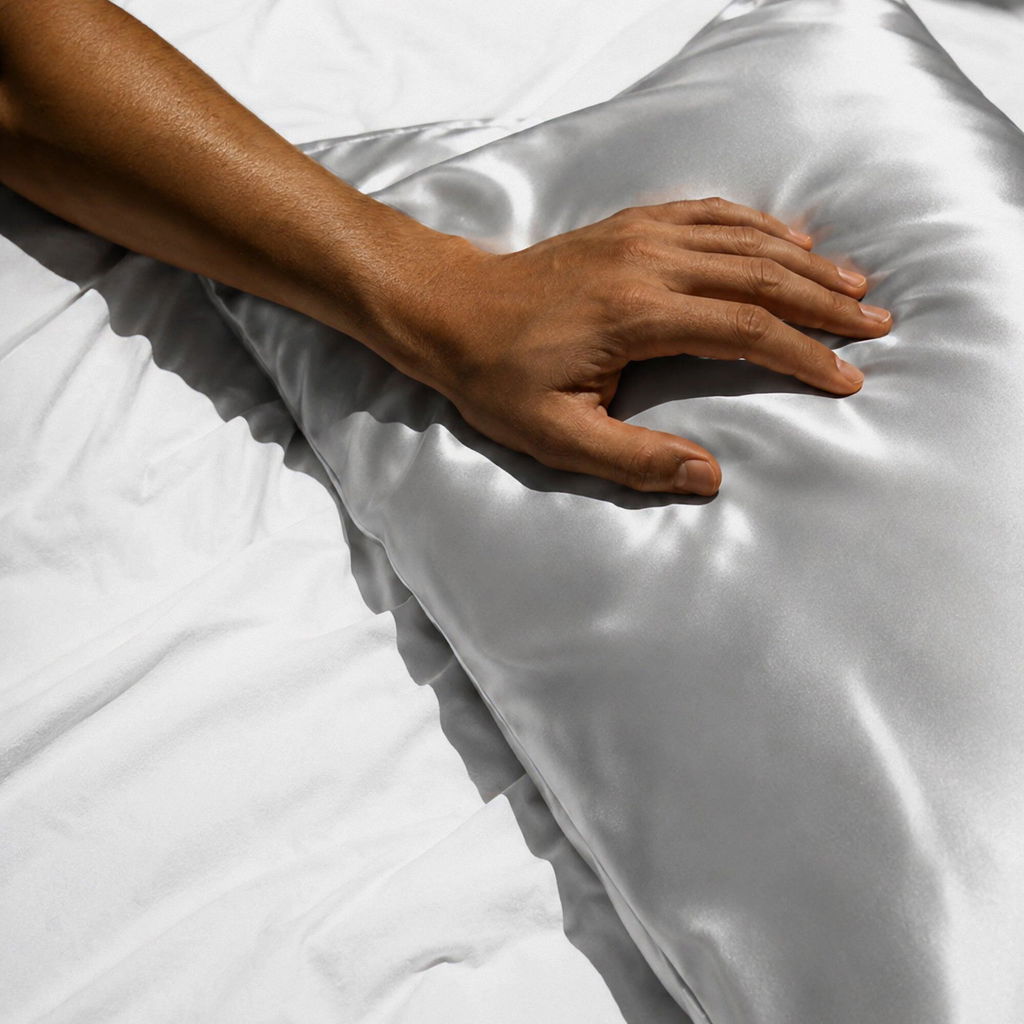
One of the most immediately noticeable qualities of silk is its cool-to-the-touch feel at first contact. This tactile quality — a result of the smooth, continuous filament structure of the fibre — is something many hot sleepers find genuinely soothing, particularly in the moments of waking and resettling through the night.
5. Less clammy feel than some synthetics
Certain synthetic fabrics, particularly those with lower breathability ratings, can create a clammy, slightly sticky sensation when the body heats up. Silk's smooth surface and natural fibre composition tend to feel less adhesive against warm skin — a small but noticeable difference when you are already uncomfortable.
6. Clean rotation
Silk pillowcases are easy to rotate into a regular laundry cycle. Keeping two or three in rotation means you always have a fresh, cool surface ready — a simple habit that makes a practical difference for anyone who wakes warm and wants to reset quickly without disrupting sleep further.
7. Layered-bedding compatibility
Silk works well as part of a layered bedding approach. Paired with a lighter duvet or breathable linen, a silk pillowcase contributes to an overall sleep environment that is easier to adjust through the night. It does not require a complete bedding overhaul — it slots into whatever system you already have.
8. Simple environmental upgrade
Sometimes the most effective changes are the most straightforward. Swapping one pillowcase requires no new routine, no subscription, and no significant disruption. For women who are already managing a great deal during perimenopause, a low-effort, low-friction upgrade to the sleep environment can feel like a meaningful act of self-care — even if its effects are modest and individual.