THE Rohe EDIT
8 reasons side sleepers should care about their pillowcase

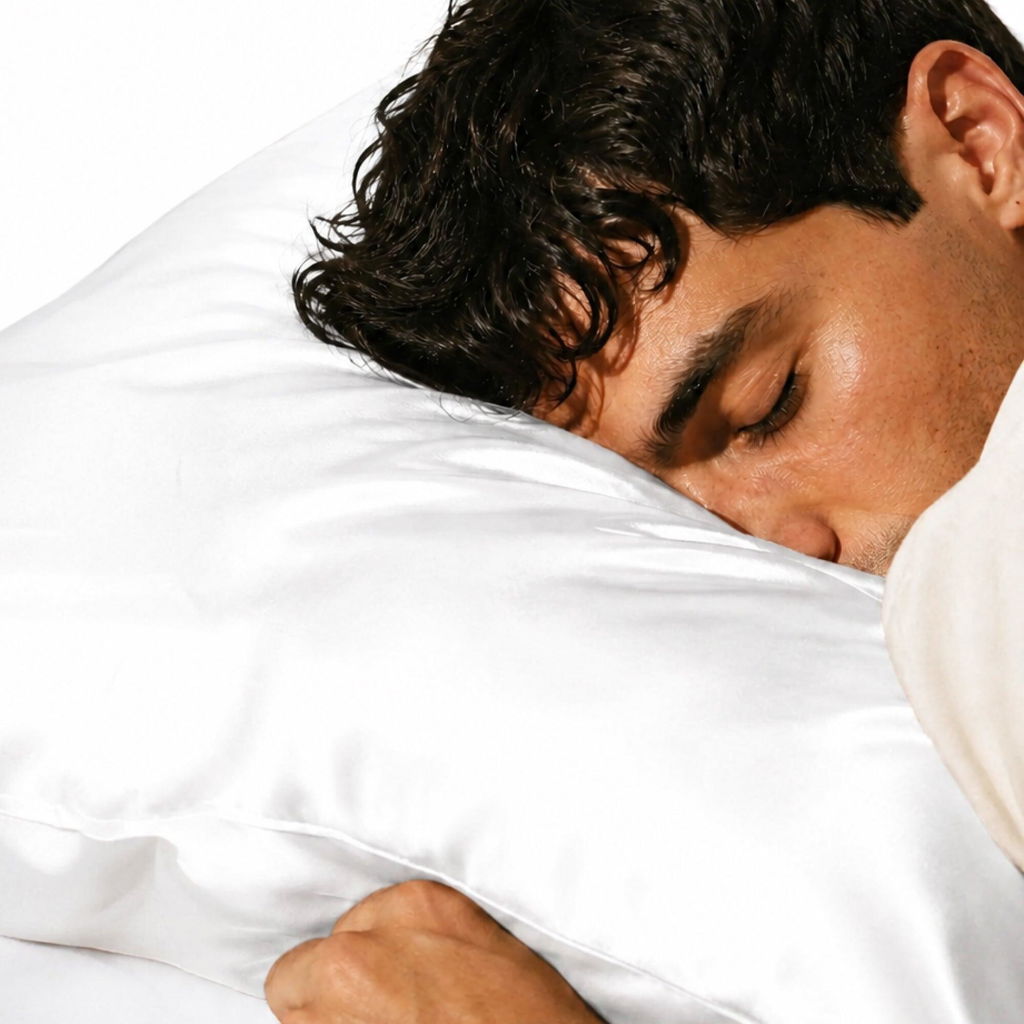
If you sleep on your side, you spend roughly six to eight hours each night with one cheek pressed against your pillowcase. That is a long time to be in contact with any surface. While a pillowcase is not a treatment for any skin or hair condition, the material, texture, and cleanliness of the fabric you sleep on are worth thinking about. Here are eight reasons why.
1. Prolonged face contact
Side sleepers have more sustained, direct contact between their face and their pillowcase than back or stomach sleepers. Over the course of a night — and hundreds of nights a year — that contact adds up. The properties of the fabric you choose are therefore more consequential for side sleepers than for almost any other sleep position.
2. Friction
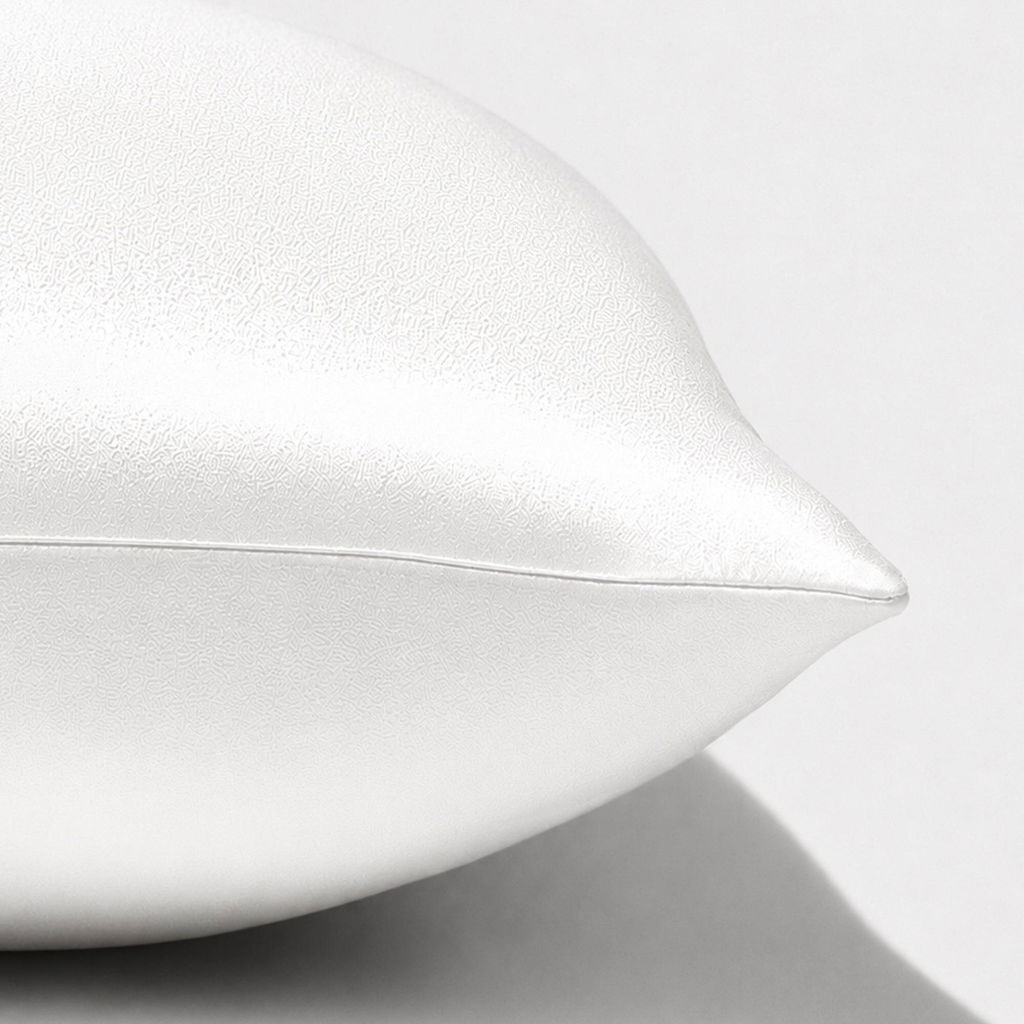
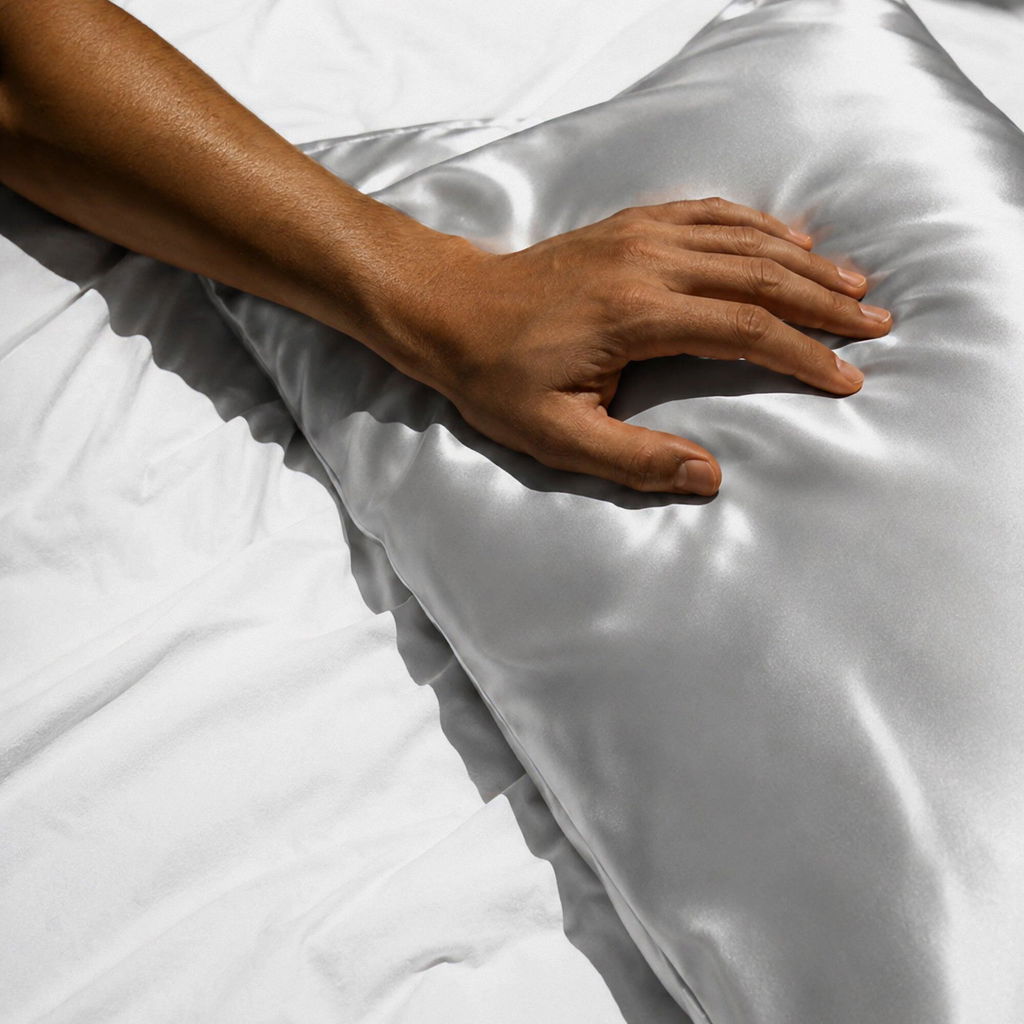
Coarser weaves can create friction as you shift during sleep. Smoother fabrics — such as tightly woven silk or certain high-thread-count materials — reduce that surface resistance. Less friction means less mechanical stress on the skin and hair with each movement, which is a straightforward physical benefit regardless of skin type.
3. Temporary sleep creases
Pressing your face into a fabric for hours can leave temporary creases on the skin. These fade quickly and are not a medical concern, but they are a reliable sign of how much pressure and texture your skin is absorbing overnight. A smoother pillowcase surface distributes that pressure more evenly.
4. Hair movement
Side sleepers tend to move their head during the night, and hair moves with it. Rougher fabrics can snag strands, contributing to tangles and breakage over time. Fabrics with a lower friction coefficient allow hair to glide rather than catch, which is particularly relevant for those with longer, finer, or chemically treated hair.
5. Heat and moisture comfort
The side of your face that is in contact with the pillow can trap warmth and moisture. Breathable fabrics that wick or dissipate heat may help you stay more comfortable through the night. This is especially relevant in warmer climates or for those who tend to sleep hot. Fabric choice will not resolve underlying sleep issues, but it can influence the microclimate around your face.
6. Cleaning routine
A pillowcase accumulates skin cells, oils, and residue from hair and skincare products. For side sleepers — who deposit more of these onto one concentrated area — a consistent washing routine matters. Choosing a pillowcase that holds up well to frequent laundering without degrading in texture is a practical consideration, not just an aesthetic one.
7. Pillow fit
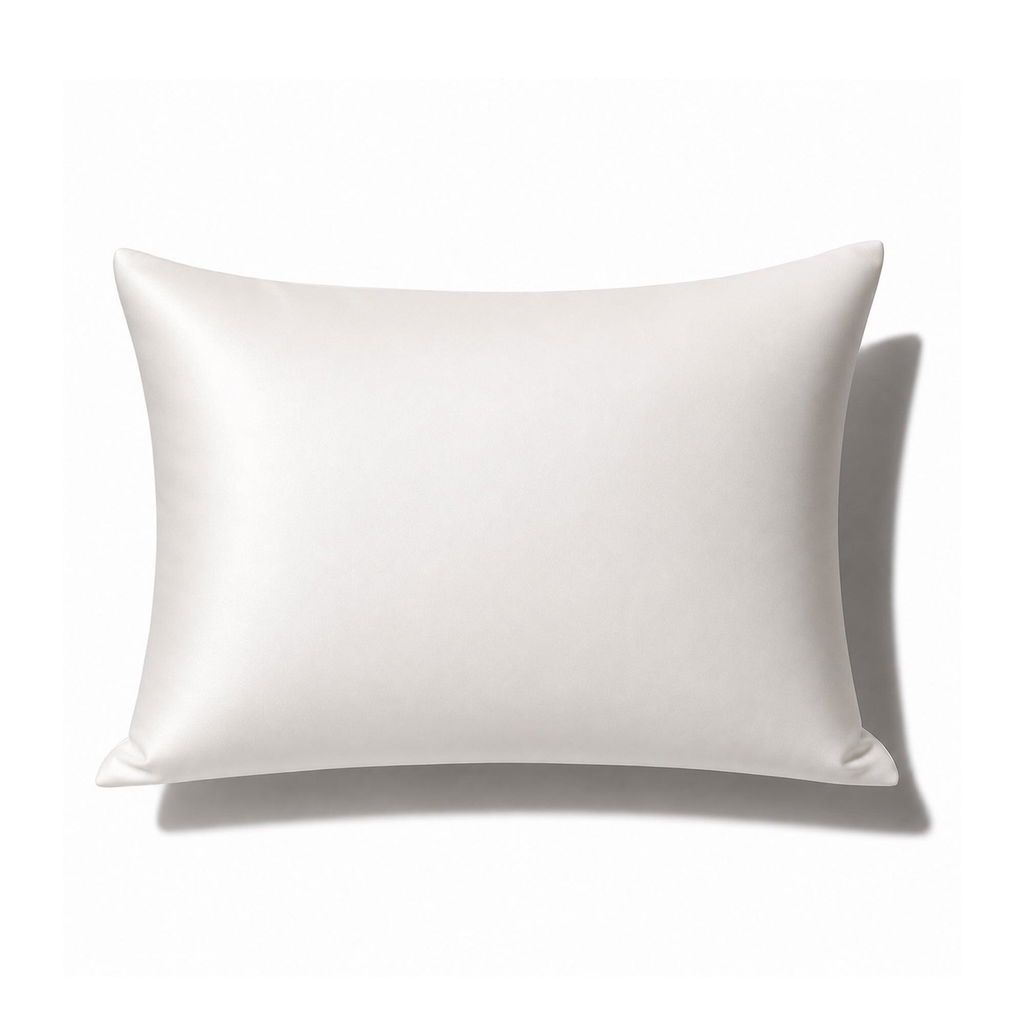
Side sleepers typically need a firmer, higher-loft pillow to keep the spine aligned. A pillowcase that fits the pillow well — without bunching, slipping, or pulling tight — ensures the pillow maintains its shape and position through the night. Poor fit can subtly undermine even a well-chosen pillow.
8. A low-effort upgrade
Compared to most sleep interventions, changing your pillowcase is simple, affordable, and reversible. You do not need to overhaul your entire sleep setup. If you are already paying attention to your mattress, pillow, and sleep schedule, the pillowcase is a logical next step — and one that is easy to test.