THE Rohe EDIT
A realistic 30-night silk pillowcase trial: what to notice

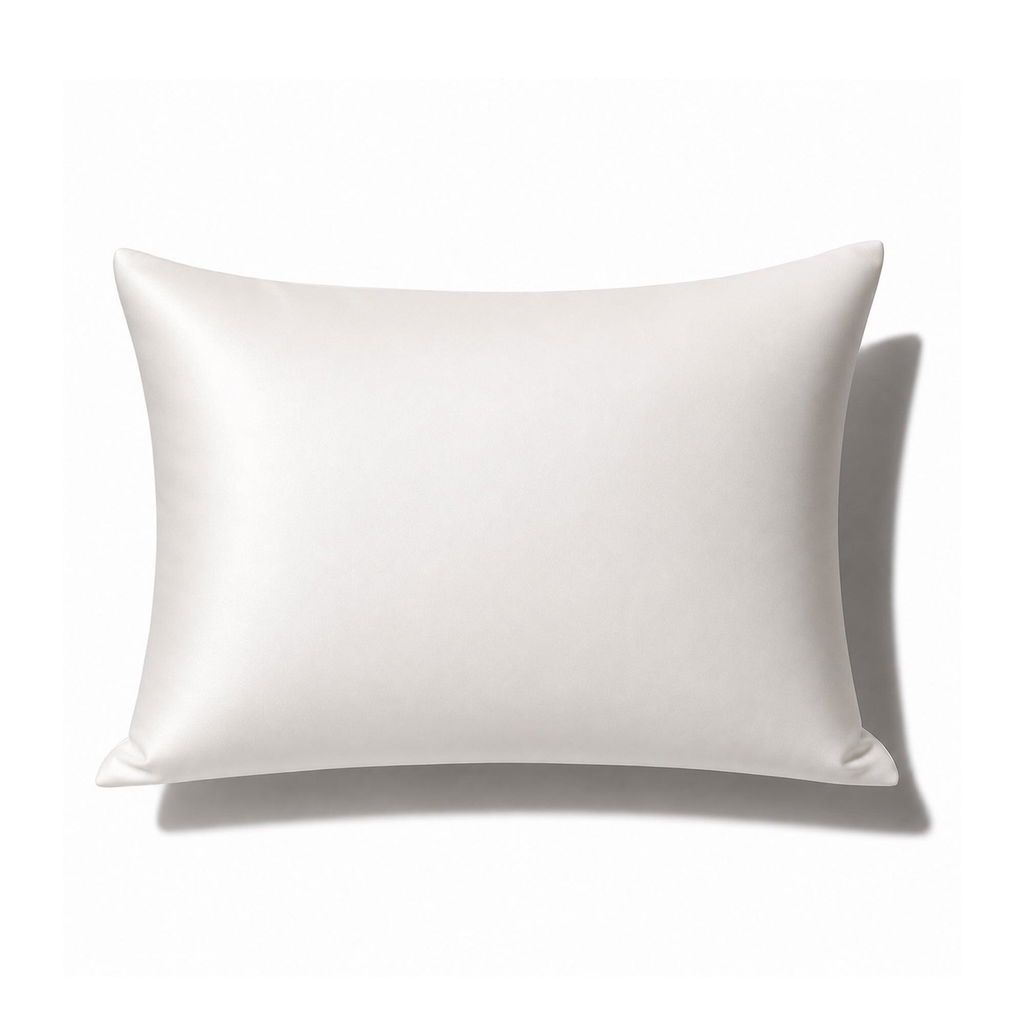
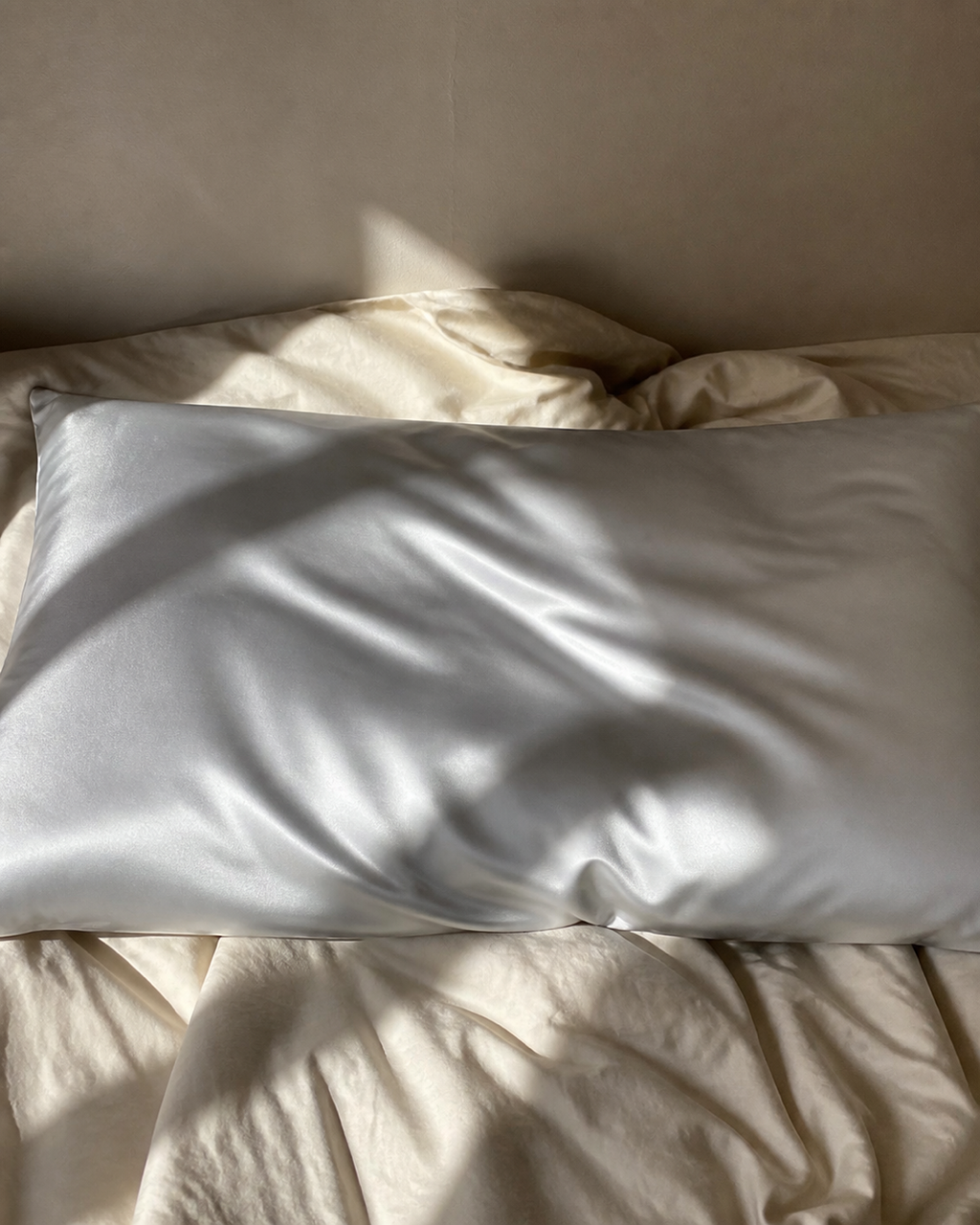
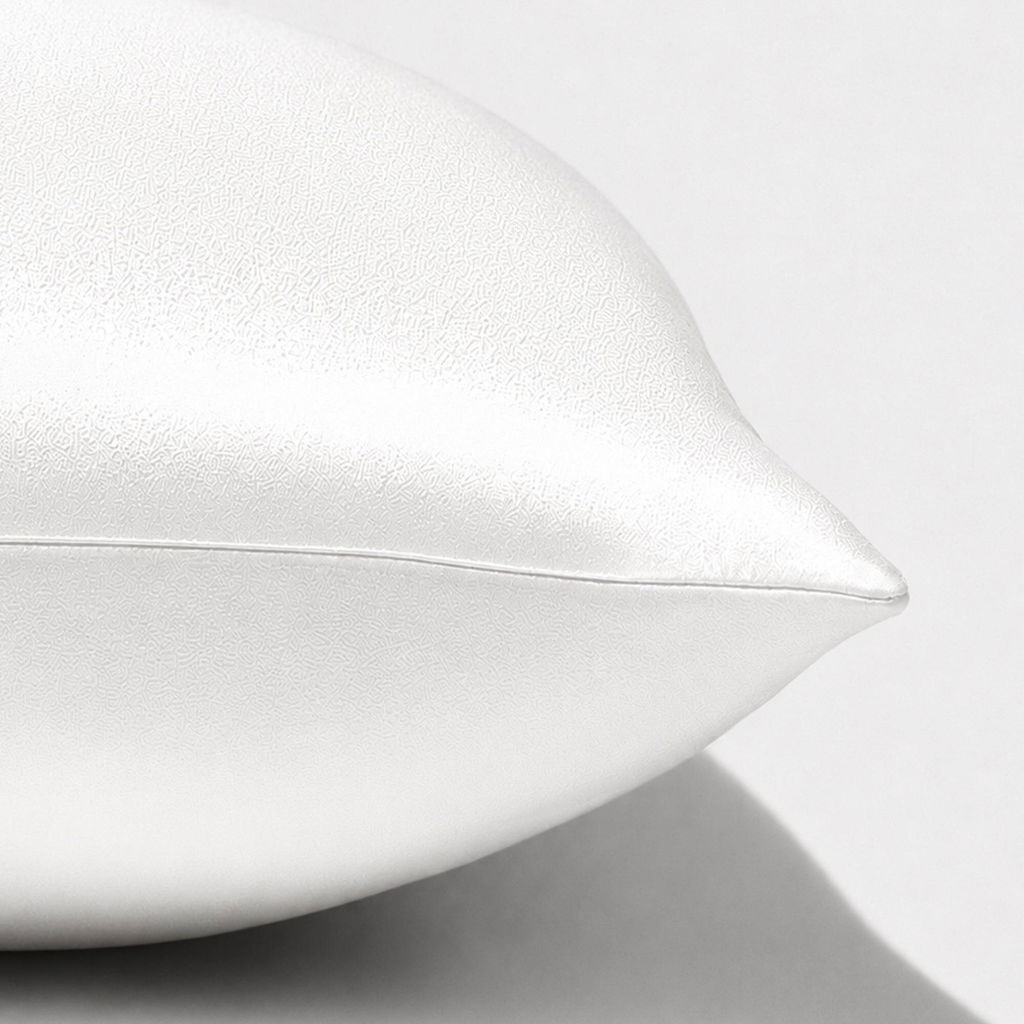
Switching to a silk pillowcase is one of those changes that sounds indulgent but is grounded in straightforward material science. Silk's tightly woven protein fibres create a low-friction, temperature-responsive surface that behaves differently from cotton or polyester in measurable ways. The question is not whether those differences exist — they do — but whether they are meaningful enough to notice in your own sleep environment. This 30-night framework gives you a structured way to find out, without overstating what silk can or cannot do.
Baseline: before night one
Before you swap your pillowcase, spend two or three mornings noting what you already experience: how your hair looks when you wake up, whether your face feels creased or puffy, and how warm or cool your pillow feels mid-sleep if you tend to wake. Write it down. A baseline is the only honest reference point for any change you notice later. Without it, you are comparing against a memory that will shift.
Nights 1–3: immediate feel
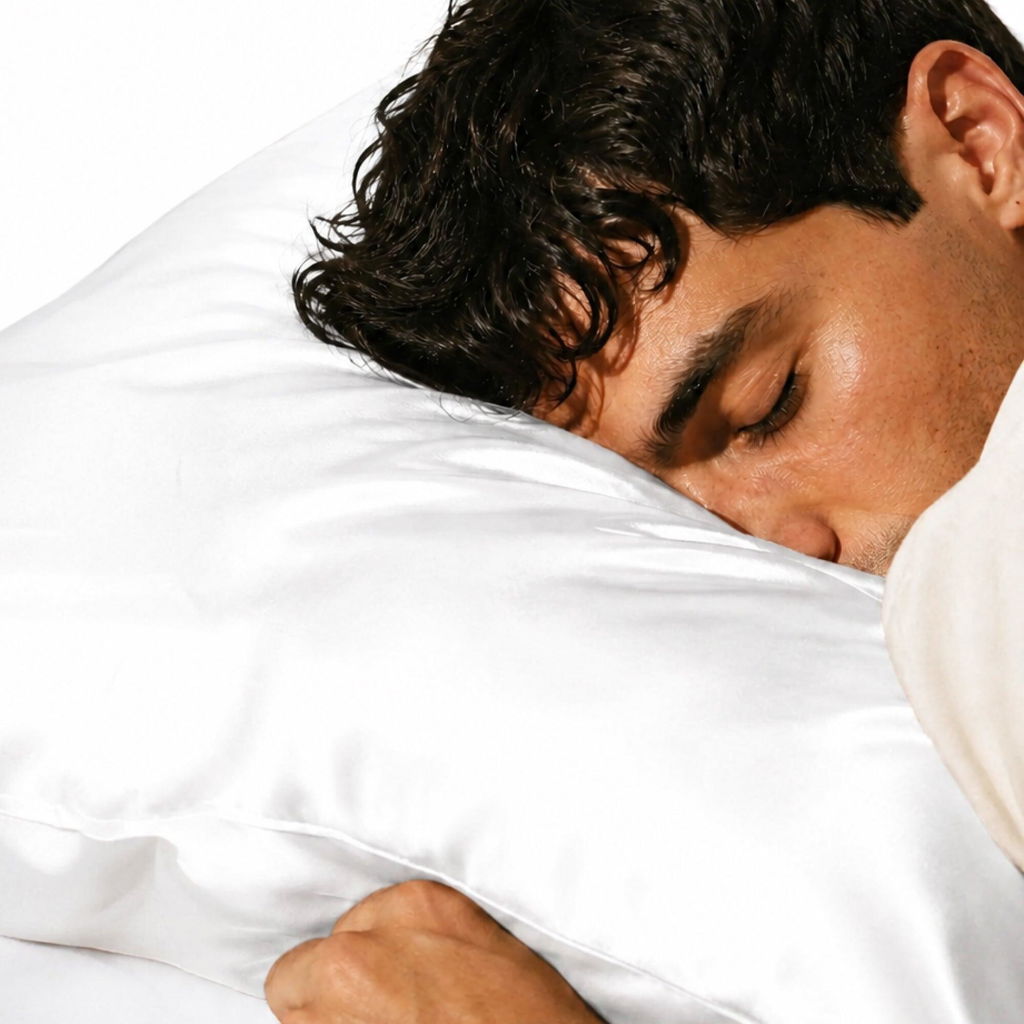
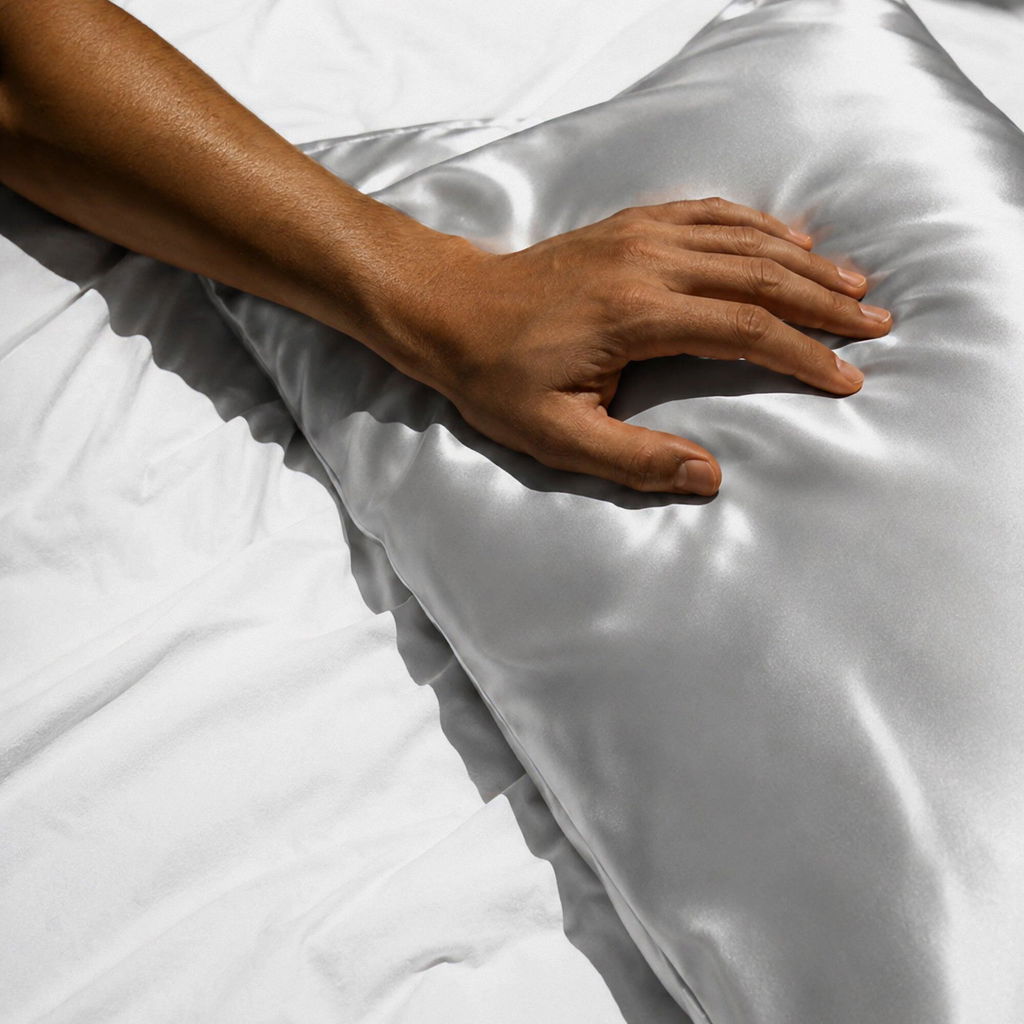
The first thing most people notice is texture. Silk feels cooler and smoother against the cheek than woven cotton, and that difference is immediate. Some people find it takes a night or two to stop noticing the novelty. What you are feeling is lower surface friction and silk's natural ability to dissipate warmth quickly rather than trap it. Do not draw conclusions yet — your body is still adjusting to an unfamiliar surface.
Week one: temperature and comfort
By the end of the first week, the novelty has faded and you can start paying attention to temperature. Silk is not a cooling technology in the active sense; it does not lower your core body temperature. What it does is respond more neutrally to body heat than synthetic fibres, which can retain warmth and create a humid microclimate. If you tend to sleep warm, you may notice the pillow surface feels less hot when you shift position. If you sleep cool, the effect will be subtler. Note what you observe without amplifying it.
Week two: hair and morning routine
This is the week most people find most interesting. Reduced friction means hair moves across the pillow surface rather than catching and pulling. For people with fine, colour-treated, or textured hair, this can translate to fewer tangles and less mechanical breakage over time. It is worth being precise here: silk does not repair hair or stimulate growth. It reduces one source of nightly friction. Whether that matters to your hair depends on your hair type, how you sleep, and how much friction was a factor to begin with. Observe your morning detangling routine and note any difference.
Week three: care and maintenance
By week three, you will have washed your pillowcase at least once. This is a good moment to assess the care routine honestly. Silk requires a gentle cycle or hand wash in cool water with a pH-neutral detergent, and it should be air-dried away from direct sunlight. If that feels like friction in your laundry routine, factor it in. A pillowcase you care for correctly will maintain its surface properties; one that is machine-washed on a hot cycle will degrade faster. Sustainable benefit depends on sustainable care.
Week four: habit and integration
By the final week, the pillowcase is no longer new. Notice whether you have stopped thinking about it — that is usually a sign it has integrated into your routine without resistance. Also notice whether you reach for it deliberately when you have a choice, or whether it has become neutral. Both are valid outcomes. The goal is an honest read, not a predetermined conclusion.