THE Rohe EDIT
Is a silk pillowcase really worth it? An honest breakdown.

Silk pillowcases have moved from niche luxury to mainstream sleep-wellness staple. The claims that follow them range from plausible to wildly overstated. This piece tries to be neither a sales pitch nor a dismissal — just an honest look at what the material actually does, what it cannot, and whether the investment makes sense for you.
What silk genuinely changes
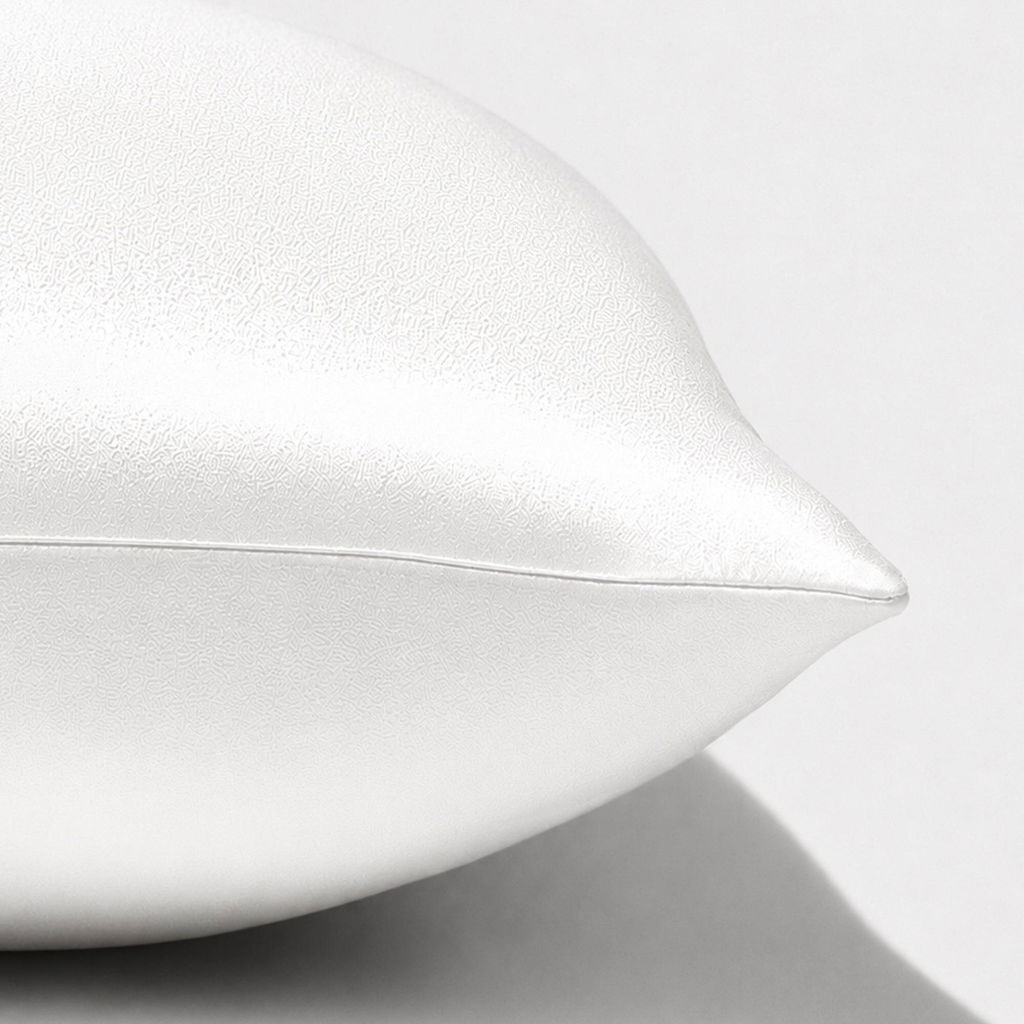
The most defensible benefit of silk is mechanical: it is a low-friction surface. Mulberry silk, woven tightly, creates significantly less drag against skin and hair than cotton, which has a rougher fibre structure. Less friction during eight hours of movement means less physical stress on the hair cuticle and less tugging at the skin. That is not a marketing claim — it is a straightforward consequence of the material's surface properties.
Silk is also a poor moisture absorber compared to cotton. Cotton is engineered to wick; silk largely is not. For people who apply serums, moisturisers, or hair oils before bed, this means less of that product is drawn into the pillowcase and more stays where it was applied.
What it cannot do
Silk will not reverse skin ageing, eliminate acne, or repair damaged hair. No pillowcase can. If a product makes those promises, treat them with scepticism. The material creates a gentler sleep environment; it does not substitute for skincare, haircare, or medical treatment. Anyone with a dermatological concern should speak to a clinician, not upgrade their bedding.
Comfort and temperature regulation
Silk has a natural thermal-regulating quality — it feels cool initially and adjusts closer to body temperature over time. Many people find this pleasant, particularly in warmer climates or during warmer months. It is worth noting that individual experience varies considerably: some sleepers find silk too slippery or insufficiently warm in winter. Comfort is subjective, and no fabric suits everyone.
Hair compatibility
The low-friction argument is strongest here. Cotton pillowcases can contribute to tangling, frizz, and mechanical breakage — particularly for textured, chemically treated, or fine hair that is already prone to damage. Switching to silk reduces that nightly friction. It is a meaningful, if modest, improvement for people who already invest in their hair health. It is not a substitute for a good haircare routine.
Skincare compatibility
For those with a consistent skincare routine, the low-absorbency of silk is a practical advantage. Cotton can absorb a meaningful amount of topical product overnight. Silk is less likely to do so. This is a supporting benefit rather than a transformative one — but it is real and worth factoring in if you use expensive actives or overnight treatments.
Cost per use
A quality silk pillowcase — one made from long-strand mulberry silk at a momme weight of 19–25 — carries a higher upfront cost than cotton. Spread across two to three years of nightly use, the cost per night is modest. The calculation shifts if the pillowcase is not cared for properly and degrades quickly, which brings us to the next point.
Care burden
Silk requires more attention than cotton. Most quality silk should be hand-washed or machine-washed on a delicate cycle in cool water, with a gentle detergent, and laid flat or hung to dry away from direct sunlight. It should not be tumble-dried or ironed at high heat. For some people this is a minor inconvenience; for others it is a genuine deterrent. Be honest with yourself about your laundry habits before buying.