THE Rohe EDIT
Why people switch from cotton to silk and rarely want to switch back

There is a moment most silk converts describe the same way: the first night feels noticeably different, the second feels deliberate, and by the end of the first week going back to cotton feels like a step down. That is not marketing — it is a pattern worth examining honestly. Below is a clear-eyed comparison of what silk and cotton actually offer, where the evidence is solid, and where personal preference still rules.
Surface Friction: The Most Immediate Difference
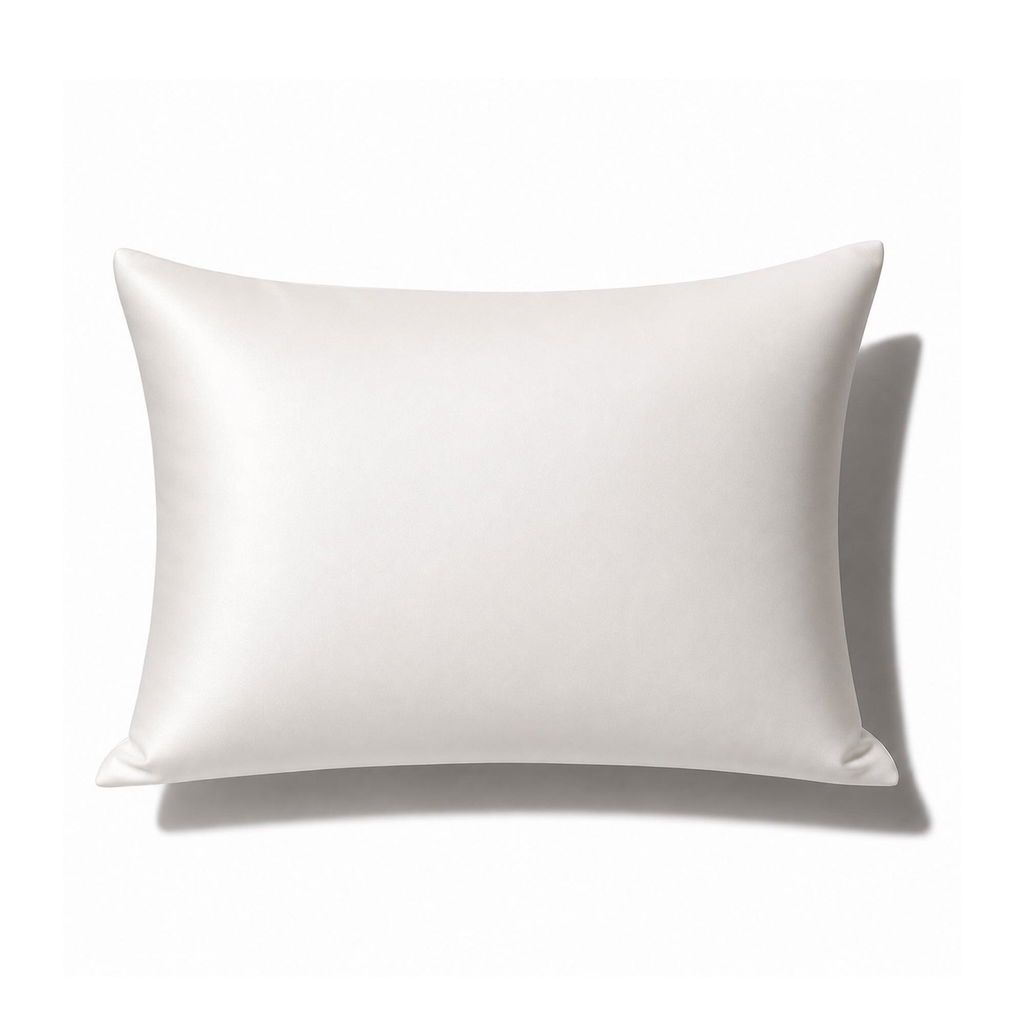
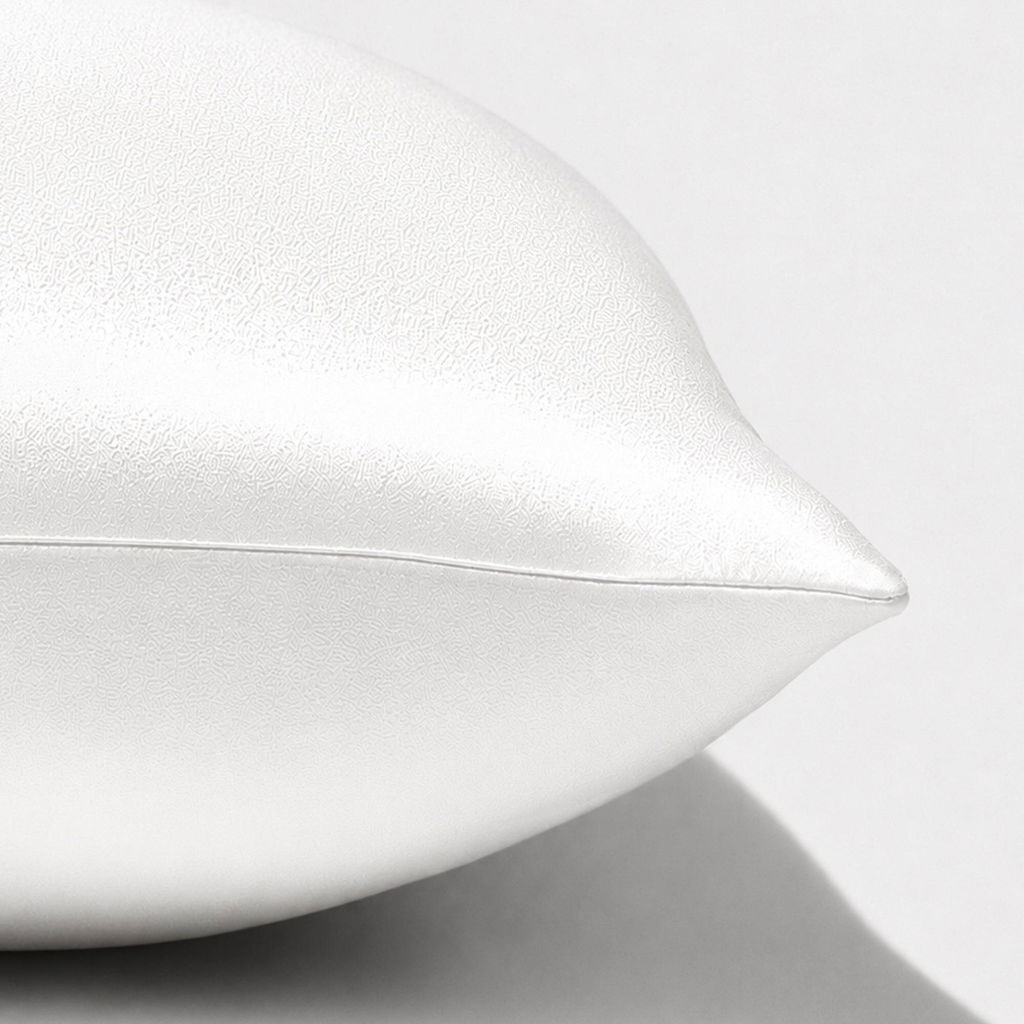
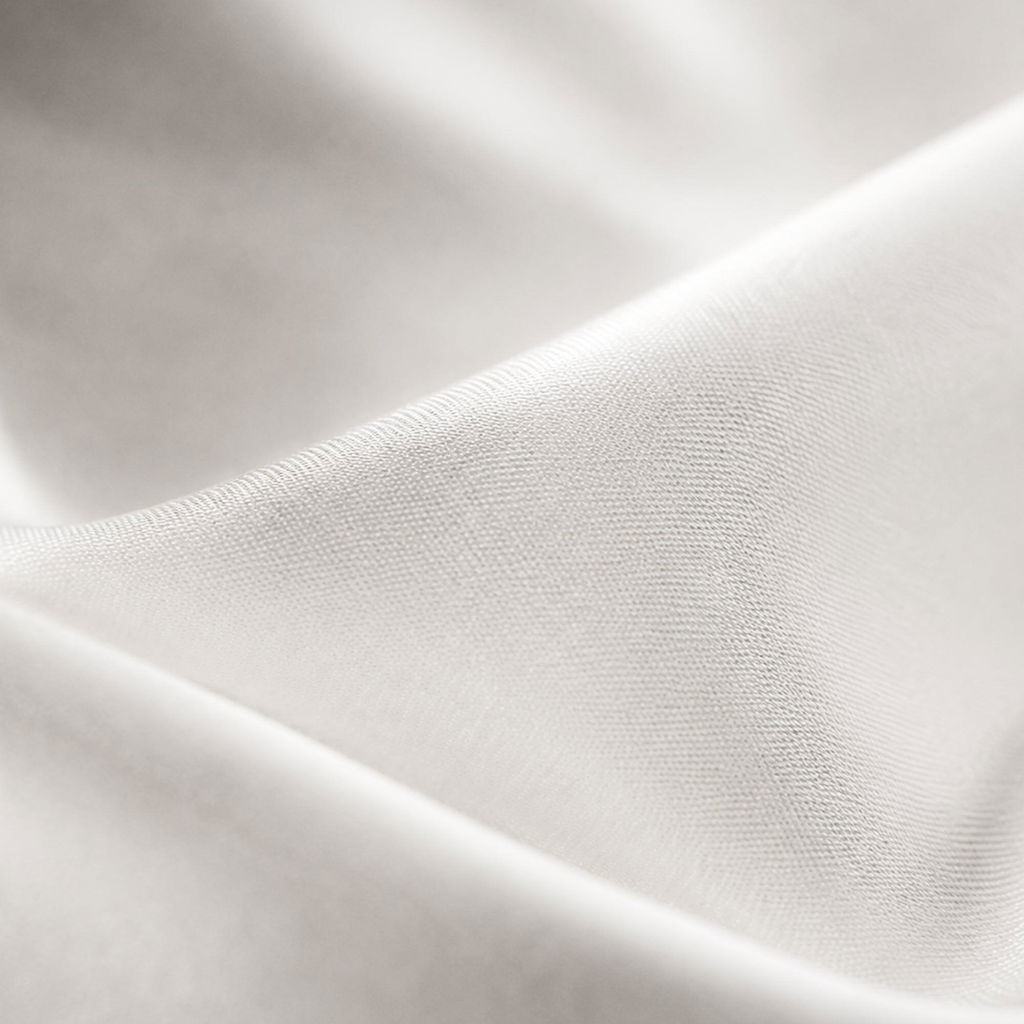
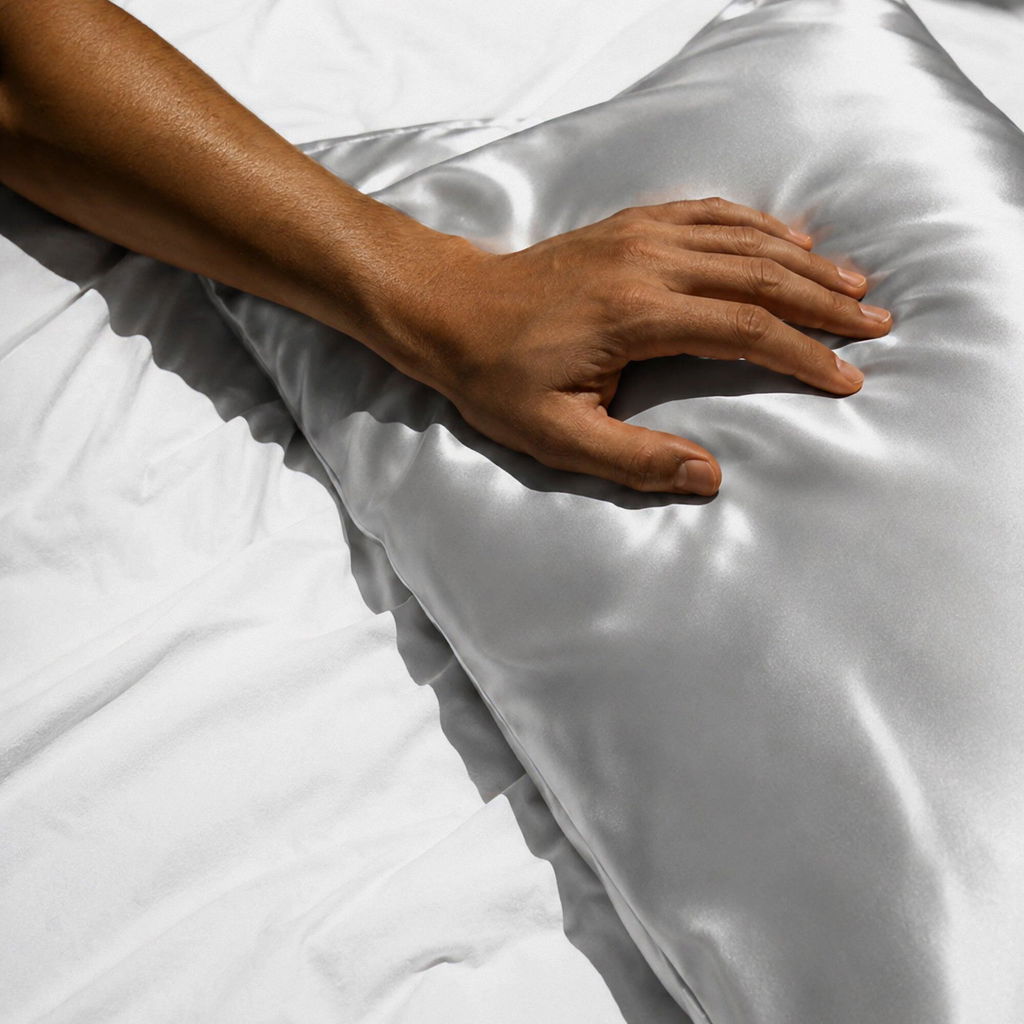
Cotton, even high-thread-count cotton, is a woven textile with a relatively high coefficient of friction against skin and hair. You feel this as the slight drag when you shift position during the night. Silk — particularly long-fibre mulberry silk — has a characteristically smooth surface that allows skin and hair to glide rather than catch. This is not a subtle distinction; it is perceptible from the first contact. For people who move frequently during sleep, the cumulative reduction in mechanical friction over a full night is meaningful.
Temperature and Feel: Adaptive Rather Than Insulating
Cotton is breathable and absorbs moisture well, which is why it has been the default bedding fabric for centuries. Silk behaves differently: it is a poor conductor of heat, which means it tends to stay closer to your skin temperature rather than drawing warmth away or trapping it. In practice, many people find silk feels cool when they first lie down and then settles to a neutral, skin-like temperature. This is not the same as being a cooling fabric in the way that some technical textiles are engineered to be — it is more accurate to describe silk as thermally adaptive. Whether that suits you depends on your sleep temperature and climate.
Hair and Skincare Compatibility
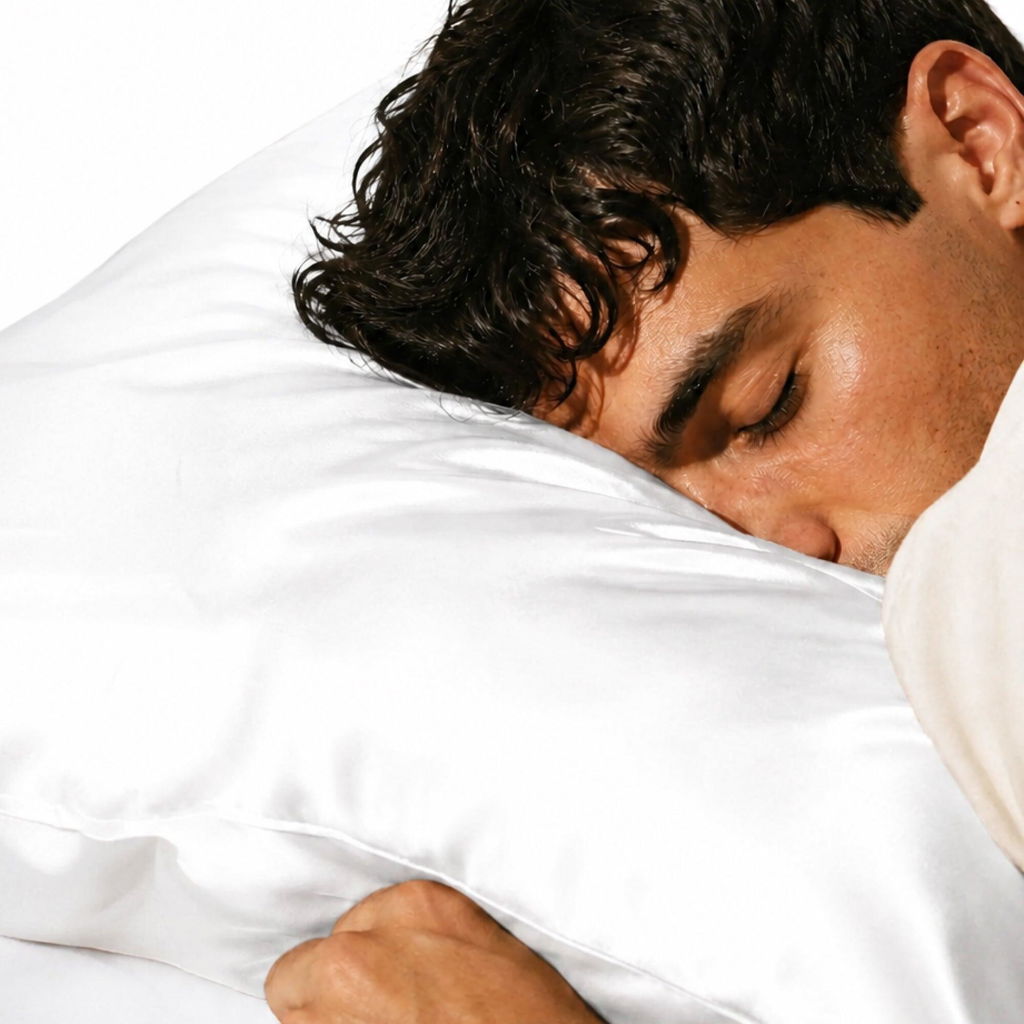
The friction argument applies most clearly to hair. Cotton pillowcases can contribute to tangling, frizz, and mechanical breakage — particularly for textured, chemically treated, or fine hair — because the fibres catch and pull. Silk's smooth surface reduces that snagging. This is well-supported by the basic physics of fibre-on-fibre contact, and many dermatologists and hair specialists recommend silk or satin as a practical measure for hair preservation.
For skincare, the picture is more nuanced. Silk does not absorb product from your skin the way cotton does, which means serums and moisturisers applied before bed are less likely to transfer to the pillowcase. Whether this translates to a measurable improvement in skin outcomes is harder to quantify, and claims about silk "preventing wrinkles" go beyond what the evidence firmly supports. What is reasonable to say: less friction and less product absorption are both properties that work in your skin's favour over time.
The Adjustment Period
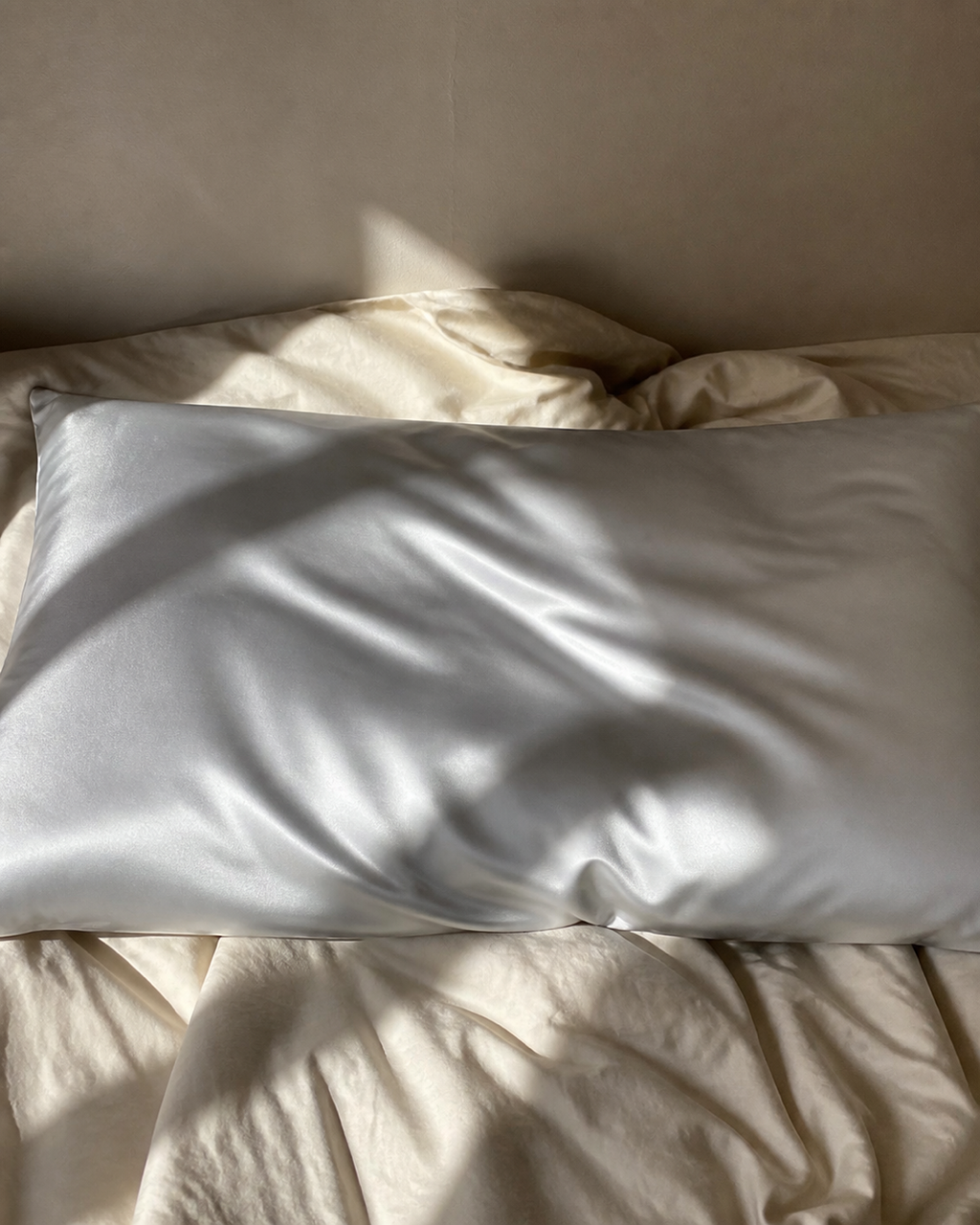
Silk is lighter and has a different drape than cotton. Some people find the first few nights feel unfamiliar — the pillowcase moves more freely, and the texture is distinct. This is not a flaw; it is simply a recalibration. Most people who persist past the first week report that returning to cotton then feels noticeably rougher. The adjustment is real but short.
Care Expectations: Honest About the Trade-Off
Cotton is forgiving. Machine wash, tumble dry, done. Silk requires more attention: cool or lukewarm water, a gentle or silk-specific detergent, and air drying away from direct sunlight. High heat degrades the protein structure of silk fibres over time, so a dryer is not recommended. This is a genuine trade-off, and it is worth being clear about. If low-maintenance care is a priority, silk asks more of you than cotton does. For most people who make the switch, the care routine becomes habitual quickly — but it is not effortless.